


Places • 16 April, 2026
Cam Ranh as an alternative to popular Vietnamese resorts
Vietnam has long earned a reputation as an ideal destination for beach and cultural holidays. However, as the popularity of resorts like Nha Trang and Phu Quoc grows, they are becoming increasingly crowded, noisy, and expensive. If you want to avoid throngs of tourists, queues at cafes, and the feeling of being at a "package tour sale," consider Cam Ranh. This resort, located in the central part of the country, remains a true gem for connoisseurs of tranquility, pristine beaches, and an authentic atmosphere. Unlike other heavily promoted destinations Centrum Air, Cam Ranh offers a peaceful, unhurried getaway without compromising on quality of service or natural beauty.
Why consider Cam Ranh instead of Nha Trang and Phu Quoc?
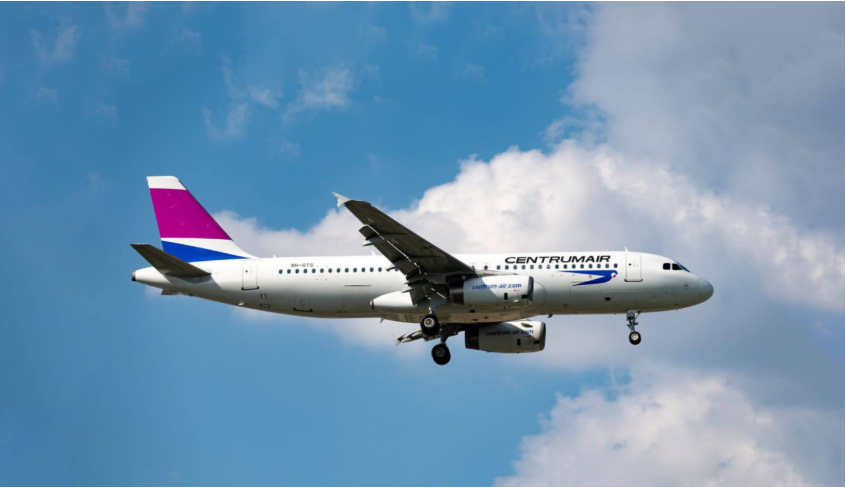
Cam Ranh offers a unique balance between developed infrastructure and almost untouched nature. There are no endless rows of street vendors or nightclubs open until dawn, but there are kilometers of deserted beaches, turquoise water, and friendly locals. The resort is just 10-15 minutes from the international airport, which makes for a comfortable flight and a quick, inexpensive transfer. Many compare Cam Ranh to what Nha Trang was like 15-20 years ago – before the massive tourist boom. Moreover, prices for accommodation, food, and excursions here are noticeably lower than on Phu Quoc, and the quality of service in new hotels often exceeds expectations.
Key advantages of a holiday in Cam Ranh:
● No Crowds. On Cam Ranh's beaches, you can easily find a spot with no one else around, even during high season. This is especially valuable for couples, families with children, and anyone looking to unwind after a stressful work period.
● Low Prices. Renting a sun lounger, having lunch at a coastal restaurant, enjoying spa treatments, and even staying in a four-star hotel costs 30-40% less than in Nha Trang and 50-60% less than on Phu Quoc.
● Pristine Nature. The waters of Cam Ranh Bay are considered some of the clearest in Vietnam. There's little trash, no industrial runoff, and the coral reefs are in excellent condition.
● Proximity to the Airport. Cam Ranh International Airport (CXR) welcomes direct flights from Russia, China, Korea, and other countries. The drive from the terminal to most hotels takes no more than 20 minutes, allowing you to start your vacation right after you land.
● Variety of Activities. Despite the tranquility, you can still go diving, sea fishing, hiking to waterfalls, and take excursions to ancient temples. You won't get bored, but you also won't feel like you're in the middle of a tourist swarm.
It is these factors that make Cam Ranh a sensible alternative to overcrowded resorts. Of course, there are no giant water parks or bustling "bar streets" here, but for those seeking peace, unspoiled nature, and an authentic Vietnamese experience, it's the perfect choice. At the same time, the resort's infrastructure is constantly developing, so with each passing year, more options for comfortable accommodation and leisure become available.
The Beaches of Cam Ranh
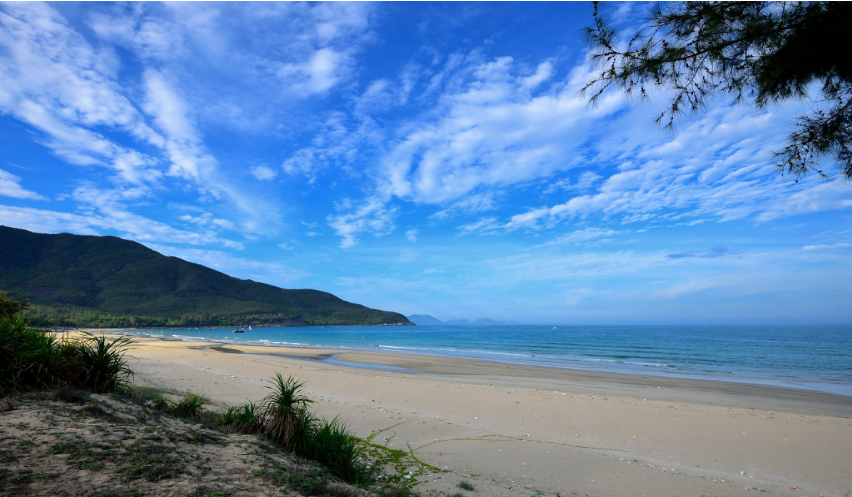
Cam Ranh's main asset is its coastline, which stretches for nearly 20 kilometers. The sand here is fine, white or slightly cream-colored, and the water is so clear that the bottom is easily visible at a depth of two meters. Unlike in Nha Trang, where the beaches are public and often crowded, many sections in Cam Ranh belong to hotels or remain wild yet clean. The waves here are usually small, making it safe for children and beginner swimmers, and the entry into the sea is gentle. Local authorities monitor the environment, so trash is collected regularly, and there are practically no outside vendors on the beaches–only the occasional fishing boat.
Below is a list of the best places for swimming and relaxation. Each has its own unique features, but they all share one thing in common: the absence of noisy crowds and loud advertising.
The best beaches in Cam Ranh for a quiet getaway:
● Bai Dai Beach (Long Beach). This is perhaps the most famous and extensive beach in the Cam Ranh area. Its length exceeds 10 km, so it's easy to find a secluded spot here even on weekends. The sand is very fine and white, and the water is turquoise. Along the coast, there are several cozy seafood restaurants and bars that play relaxing music. The best time to visit is from February to August, when there is no rain or wind;
● Nom Beach (Bai Nom). A hidden bay accessible only by boat or dirt road. There are no cafes or sunbeds here – just untouched nature, boulders, and perfect silence. It's suitable for picnics and meditation. However, be careful: the current can be strong, so it's best to swim close to the shore.
● Alma Resort Beach. The resort grounds are open to everyone for a small fee (or free if you order lunch at the restaurant). This is a model beach with a well-maintained area, umbrellas, sun loungers, and lifeguards. The seabed is sandy, with no rocks, and the entry into the water is gradual – ideal for families with young children. There is also a kids' club and water slides.
After a full day at the beach, you can head to one of the coastal spa salons. In Cam Ranh, a massage costs half the price of one in Nha Trang, and the quality of service is often higher due to the therapists being less busy. Many hotels offer guests complimentary towels and umbrellas, and also arrange for cocktails to be delivered directly to their sun loungers. If you're looking for more seclusion, simply rent a scooter and set off to explore the lesser-known bays south or north of the main tourist area.
Cultural and Natural Attractions of Cam Ranh
Cam Ranh is rich in historical and natural sites that allow you to gain a deeper understanding of Vietnamese culture and enjoy its picturesque landscapes. Unlike Phu Quoc, where the main attractions are concentrated in amusement parks, here everything is natural and authentic. Excursions don't require long hours of travel: most interesting places are located within a 30-40 km radius of the coast. Moreover, due to the low number of tourists, you can explore them on your own or as part of a small group, rather than in a line of hundreds of people.
Top places you can't miss in the Cam Ranh area:
● Binh Ba Fishing Village (Lang Chai Binh Ba). A small island a 15-minute boat ride from the mainland, home to hereditary fishermen. This is the ideal place for a gastronomic tour: you'll be offered the catch straight from the boat–lobsters, crabs, squid, shrimp–and it will be grilled right in front of you. Prices are two to three times lower than in Nha Trang's restaurants. You can also rent a mask and fins to swim among the corals near the shore. The village is very photogenic: colorful boats, nets for drying fish, and friendly children;
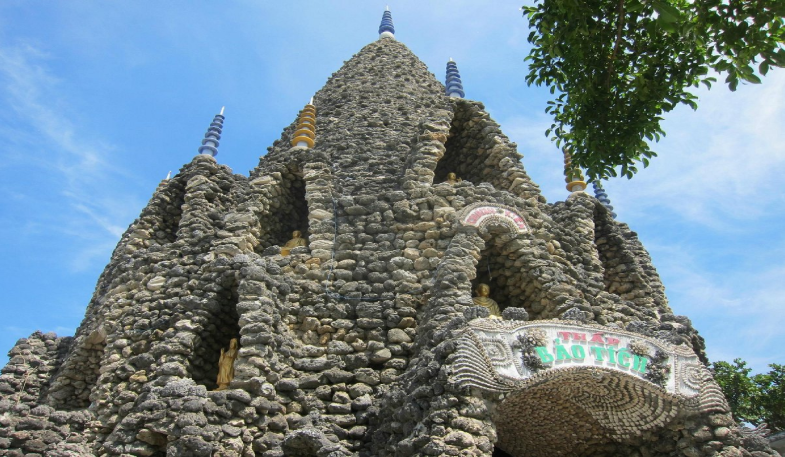
● Tu Van Pagoda (Chùa Từ Vân) / "Dragon Pagoda". This is perhaps the most remarkable landmark in Cam Ranh. Its uniqueness lies in the fact that it is built entirely from coral and seashells–a unique monument to the region's maritime history. The grounds feature the famous 500-meter Dragon Labyrinth, a dark tunnel which, according to local belief, helps to cleanse one's karma. Admission to the complex is free;
● Hon Ba Nature Reserve (Hòn Bà Nature Reserve) . A mountainous nature reserve approximately 30–40 km from the center of Cam Ranh (on the border with Cam Lam). An ideal alternative for outdoor enthusiasts and a true paradise for eco-tourism: mountain rainforests, fresh air, the chance to see rare animals, and the opportunity to hike to a picturesque waterfall located right within the reserve;
● Cam Lap Cape and Binh Lap Village (Mũi Cà Mấp / Bình Lập) . A magnificent panoramic viewpoint at the very tip of the Cam Ranh peninsula. Here you will find wild beaches and rocky shores, and you can take stunning photos at sunset. Nearby is the quiet fishing village of Binh Lap, where you can try the freshest seafood, home-cooked style, and immerse yourself in the authentic atmosphere;
● Thuy Trieu Lagoon (Đầm Thủy Triều) . For those seeking peace and tranquility. This is a vast lagoon with mangrove forests, where you can take a boat ride, go bird watching, and enjoy the unhurried pace of life of the local fishermen;
● Binh Hung and Binh Tien Islands (Bình Hưng / Bình Tiên) . These islands are part of the Cam Ranh archipelago. Despite some security-related restrictions on mass tourism, they are renowned for their untouched beauty, white sand beaches, and crystal-clear water, making them an excellent alternative for those seeking a "wild" piece of paradise.
As you can see, even a week's vacation might not be enough to visit all these places. That said, getting between attractions is convenient: you can take a taxi (via the Grab app) or rent a motorcycle for $5-7 per day. Local guides organize multi-stop tours for $30-40 per person, including lunch and transfers. Unlike in Nha Trang, you won't be carted off to lacquer and silk shops here–the itinerary is as straightforward and nature-focused as possible.
Infrastructure and Accessibility
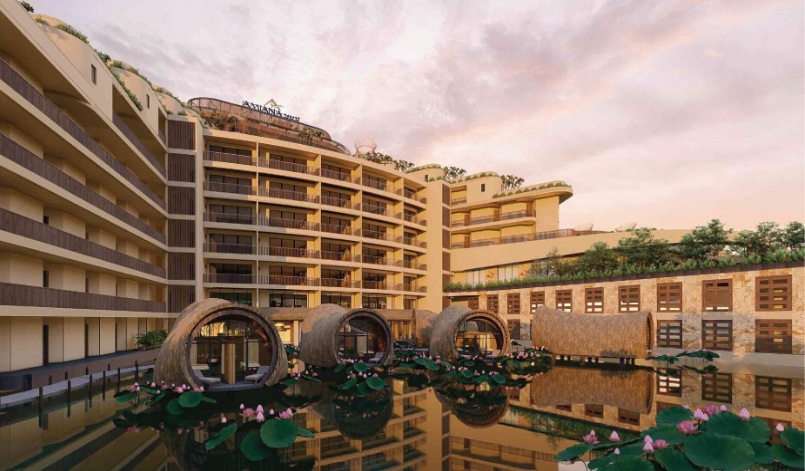
Cam Ranh is actively developing as a tourist destination, but it is doing so without sacrificing its peaceful atmosphere. It already has everything you need for a comfortable stay: modern hotels for any budget, high-quality roads, restaurants with local and international cuisine, currency exchange offices, pharmacies, and even a few shopping centers. Yet, all of this doesn't "overwhelm" vacationers, as is common in hyper-touristy areas. Many hotels have their own private beaches, pools, and spas, and street vending is minimal. Cam Ranh International Airport is one of the most convenient in the country: recently renovated, with spacious terminals and short queues at passport control.
To help you plan your trip with ease, here is a detailed list of practical considerations based on the experiences of tourists who have visited Cam Ranh in recent seasons.
● Choosing accommodation. Cam Ranh offers both luxury 5-star resorts and modest guesthouses and bungalows. The cost of a room in a good four-star hotel with breakfast starts from $40-50 per night, which is about 20-30% cheaper than comparable options in Nha Trang. Most hotels are located along the coast, so a sea view is a standard feature. When booking, check for a private beach and an airport transfer (this is often complimentary).
● Transportation. Cam Ranh International Airport (CXR) accepts direct charter and scheduled flights from Uzbekistan, Russia, Korea, China, and Japan. Domestic flights from Hanoi and Ho Chi Minh City operate hourly. A taxi to a hotel in the beach area costs around 150,000–200,000 dong ($7–9). Local buses run infrequently, but they are cheap. The most convenient option for tourists is renting a motorbike ($5–7/day) or a car with a driver ($30-40/day).
● Dining and Restaurants. In Cam Ranh, you'll find everything from street stalls selling pho bo (noodle soup with beef) for $1-2 to fine dining restaurants at the hotels. The resort is especially famous for its fresh seafood, including lobsters, crabs, tiger prawns, and shellfish. In the fishing village of Binh Ba, a three-course lobster lunch will cost about $15–20 per person. We recommend trying "banh can" – a local delicacy of rice pancakes with shrimp and herbs, served only in Khanh Hoa province;
● Entertainment and Excursions. Besides the beach and sightseeing, Cam Ranh offers diving (there are several dive centers with English-speaking instructors), kitesurfing (the windy season is from September to December), and deep-sea fishing. For children, there are kids' clubs at major hotels, and the small Vinpearl Land water park is located in nearby Nha Trang (a 40-minute taxi ride away). In the evening, you can visit an open-air cinema on the beach (available at some hotels) or simply stroll along the waterfront, where beautiful lanterns are lit.
It's worth noting that in Cam Ranh, you won't have problems with bank cards or currency exchange: most hotels and large restaurants accept Visa/Mastercard, and exchange offices offer a good rate (it's better to exchange dollars for dong on the spot, rather than in your home country). Medical services are provided by private, European-standard clinics, and you can buy most medications at pharmacies without a prescription (but be cautious with antibiotics). Overall, the level of service in Cam Ranh is pleasantly surprising: staff speak basic English, and many hotels have Russian-speaking employees. The resort is gradually becoming more foreigner-friendly, while maintaining its Asian hospitality and unobtrusive nature.
Practical Tips for a Trip to Cam Ranh
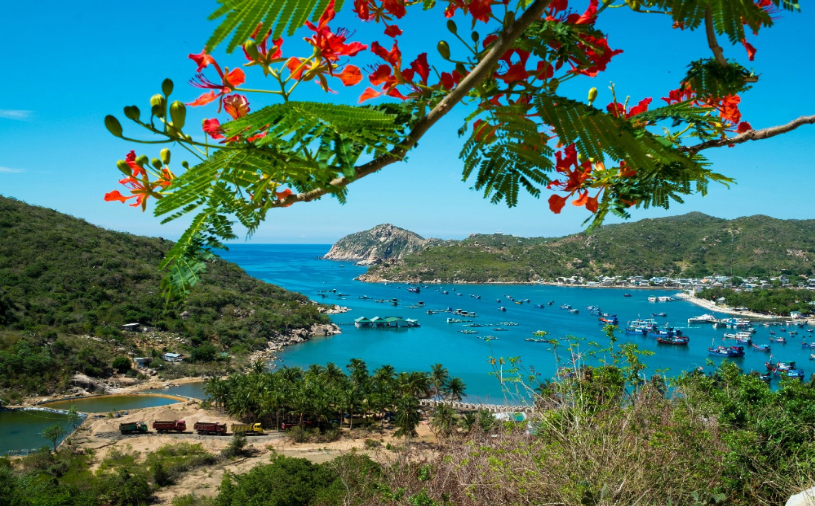
Cam Ranh is a truly worthy alternative to the crowded Nha Trang and Phu Quoc, especially if you value tranquility, pristine nature, and an authentic Vietnam without the tourist hustle. However, to ensure your vacation is as comfortable and surprise-free as possible, there are several important nuances to consider. The resort is not yet as well-known, so some services that are common in more "popular" destinations will require a deliberate search here. Below is a list of recommendations based on the experiences of travelers who have visited Cam Ranh in recent seasons.
What to Know Before Traveling to Cam Ranh:
● Seasonality. The best time for a beach vacation is from January to August. From September to December, there can be rain and high waves, although hotels offer lower prices. If you plan to go diving, choose February-April (visibility up to 25 meters);
● Airport transfer. Don't take a taxi without a meter–use the official counters in the arrivals area or the Grab app. A trip to a hotel in the Bai Dai area will cost 150,000-200,000 dong (about $7-9). Many hotels offer a free transfer, so be sure to check in advance;
● Currency exchange. It's best to exchange dollars or euros for dong at exchange offices in the city rather than at the airport or your hotel. Cards are not accepted everywhere, especially at markets and in small cafes, so always have some cash on you (about 1-2 million dong per day for two people);
● Language barrier. English is mostly spoken in hotels and expensive restaurants. To communicate at the market or with a taxi driver, install an offline translator on your phone. A few phrases in Vietnamese ("cảm ơn" – thank you, "bao nhiêu?" – how much?) will go a long way with the locals;
● Motorbike rental. This is the most convenient way to explore the area, but be sure to wear a helmet and have an international driver's license (or at least a photo of your Russian license). The police in Cam Ranh check tourists less often than in Nha Trang, but the fines are high. A full tank costs about 30,000 dong and is good for 100 km;
● Electricity and sockets. Cam Ranh uses Type A, C, and D sockets, with a voltage of 220V and a frequency of 50 Hz. If your devices have different plugs, don't forget to bring an adapter;
● Sun Protection. The sun can be very strong, especially during the season from January to August, so you should bring a high-SPF sunscreen and hats to protect yourself from sunburn.
If you follow this advice, your trip to Cam Ranh will leave you with only pleasant memories. The resort is ideal for those who are tired of noisy parties and want to truly recharge: during the day, swim in the turquoise water and stroll along deserted beaches; in the evening, enjoy a leisurely dinner with fresh seafood to the sound of the surf. Prices here are still reasonable, and nature remains almost untouched. Come before Cam Ranh is discovered by mass tourism, and you will be able to say you saw "the real Vietnam"–authentic, tranquil, and bountiful.
Become a guide to the world of travel


