


Adviсes • 22 January, 2026
Comparing travel prices in different seasons
Travel prices do not change randomly, but follow a clear logic. The same route can cost different amounts depending on the month, weather and tourist demand, even if the trip itself does not change. These fluctuations shape tourist seasons – periods when the cost of flights, accommodation, and services varies significantly. Choosing when to travel is important not only for your budget. It affects your comfort, the number of tourists, and the availability of services. By comparing prices in different seasons, it is easier to understand where high costs are justified by holiday conditions and where they arise due to increased demand.
In tourism, there are several types of seasons, consisting of a combination of climate, demand and calendar factors. In practice, seasonality is felt not only in general figures, but also in the details. The difference can be seen in the price of a plane ticket, the cost of a room in the same hotel, or even in the availability of familiar services. Therefore, it is convenient to compare seasons not abstractly, but through real Centrum Air destinations and types of trips.
High season

The high season is the period of peak demand. It coincides with the best climatic conditions and mass holidays. For beach destinations, this is summer in Europe and the Mediterranean, as well as the winter months in Asian countries. For ski resorts, it is the end of December and the beginning of January. For city tourism, it is summer and public holidays.
During the high season, prices for services reach their maximum. For example, in Turkey, prices peak in July and August, when school holidays coincide with maximum resort occupancy. Often, a holiday here costs $1,600-2,200 per week in a good hotel.
In Thailand and Vietnam, the most expensive months are January and February, when Europeans and CIS residents flock to the sun. At this time, a holiday can cost $1,800-2,500 including flights. In the UAE, the high season is in winter, especially in December, when comfortable weather is combined with holiday demand.
At ski resorts in the Alps, New Year's week often costs $2,500-3,500 for an apartment, which is 1.5-2 times more expensive than a regular week. In large European cities in the summer, a night in a mid-range hotel can easily cost $180-250.
The increase in cost during the high season is uneven. Airfare and accommodation contribute most to the final price. Excursions, transfers and meals usually increase in price less, so independent travellers feel the seasonality more strongly than tourists with package tours.
The main features of the high season are:
Ideal climatic conditions. Minimal rainfall, comfortable air and water temperatures, stable weather without surprises.
Maximum prices. Package tours, air tickets and hotels are 40-70% more expensive than in the low season.
Full availability of services. All excursions, restaurants, beaches and entertainment are open.
Large influx of tourists. Queues, crowded beaches and attractions.
There are also price traps within the high season. New Year's week, May holidays and school holidays can increase the cost of a trip by another 20-40% compared to neighbouring dates. Sometimes, shifting your trip by just a week allows you to keep the same conditions but significantly reduce your budget.
After such a peak, many realise that they are paying not only for comfort but also for the popularity of the dates themselves. The impressions remain vivid, but the feeling of overpaying and hustle and bustle becomes a noticeable downside for some tourists.
Low (dead) season

The low season is a period of minimal demand due to weather conditions or the absence of holidays. For beach destinations, these are the rainy seasons or cooler months, for exotic destinations – monsoons, for cities – late autumn and winter, and for ski resorts – the early or late season outside of holidays.
It is during this time that the sharpest drop in prices is observed. Air tickets can become 20-40% cheaper, and the total cost of the trip can drop by 30-60%. For example, in the Maldives, a holiday in the low season can cost between £2,200 and £2,600 per week, down from £3,500-4,000. The same room in a resort hotel can cost $70 in winter compared to $180 in summer. In European cities, hotels in the off-season often drop to $110-150 per night instead of the summer price of $200+.
However, lower prices do not always mean worse conditions. In some destinations, rain is short-lived, occurring more often in the evening or at night, while temperatures remain comfortable. In city tourism, the low season is often limited to cool weather, but does not affect museums, restaurants, and transport.
The low season is especially noticeable for those who travel independently. Flexibility in dates and itineraries allows you to catch the best deals, but requires attention to the weather and local conditions.
Key characteristics of the low season:
Minimal tourist traffic. Beaches, cities and attractions are almost deserted.
Lowest prices. The cost of travel is reduced by 30-60%, sometimes more.
Increased weather risks. Rain, wind, cool temperatures or intense heat;
Partially closed infrastructure. Some hotels, cafes and excursions are not operating;
More authenticity. The opportunity to see the real life of local residents without the tourist noise.
The low season is suitable for those who are willing to compromise for the sake of their budget. For flexible travellers, this is often the most advantageous option if you take into account the climatic features of the destination in advance.
Mid (shoulder) season
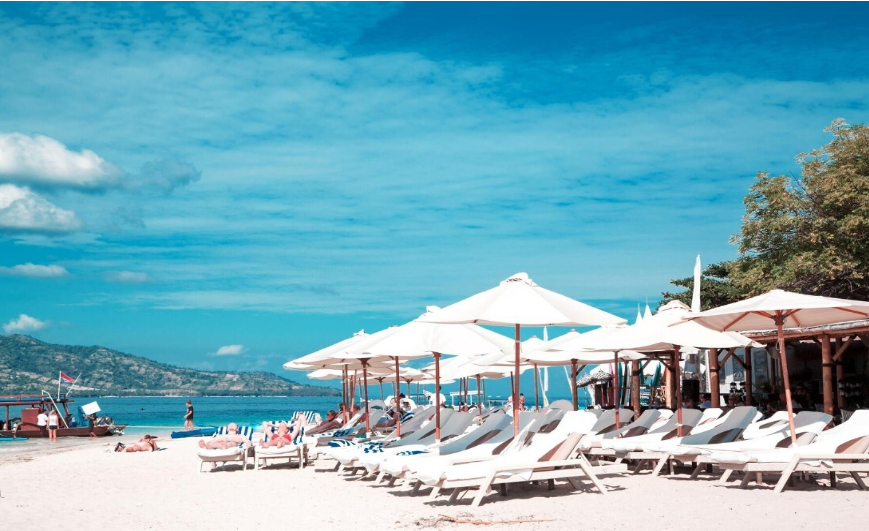
The mid season is a transitional period between peak demand and decline. It does not last long, but it is during these months that the optimal price-to-condition ratio is often formed. The weather remains comfortable, there are noticeably fewer tourists, and prices are no longer at their peak.
For beach destinations, these are the velvet months when the heat subsides and the sea remains warm. For city tourism, it is spring and autumn. For ski trips, it is January after the holiday season. Savings compared to the high season are usually 20-40%, while the infrastructure continues to operate at full capacity.
For example, in September, a holiday on the Mediterranean can be $300-600 cheaper than in August for the same hotel category. In European cities in spring and autumn, accommodation prices often drop by £40-70 per night, while airfares remain stable.
What is typical for the mid-season:
Comfortable weather without extremes. No intense heat or cold;
Moderate prices. Savings of 20-40% compared to peak season;
Fewer tourists. Queues are shorter, cities feel calmer;
Full infrastructure. Most services, excursions and entertainment continue to operate;
Short time windows. You need to choose the right dates.
The main difficulty of the mid-season is its brevity. Suitable dates may only last 3-6 weeks, and missing the window quickly brings you back to either high prices or weather restrictions.
Mid-season trips do not feel like overpaying, and compromises on comfort are minimal, making this period particularly attractive to experienced travellers.
Life hacks for saving money in any season
Even in high season, you can reduce costs if you are flexible in your planning. Travel dates, alternative destinations and knowledge of the events calendar play a key role. Many people overpay not because they chose the wrong time, but because they did not take into account a few simple factors. At the same time, even small adjustments can result in significant savings. Savings most often come from several small decisions. One factor rarely has the maximum effect, but their combination allows you to significantly reduce the total amount without losing the quality of the trip. Practical ways to reduce your budget: Flexible dates. A shift of 2-3 days can save you £150-300. Early booking. This is especially relevant for holidays. Last minute. This works in the low and mid seasons. Keep track of events. Festivals and holidays cause prices to rise sharply. Alternative destinations. Less popular, but comparable in quality. In practice, shifting dates by 2-3 days most often affects the cost of the flight, and alternative destinations affect the price of accommodation. Last-minute offers are most effective 7-10 days before departure and most often work in the low and mid seasons. If your goal is to minimise your budget, it is wise to start with the low season and choose a destination based on the climate. If the balance between price and experience is important, the mid-season almost always wins. The high season is justified when the trip is rare and compromises on weather are unacceptable. There is no universally bad or good time to travel. There is only a period that does not coincide with your goals and expectations. For some, a minimal budget is more important, for others, stable weather, and for others, the absence of queues is essential.
Become a guide to the world of travel


