


Adviсes • 18 June, 2026
How to behave in religious places in other countries
Travel allows for a much deeper acquaintance with the culture and traditions of different countries than is possible through excursions and guides. Religious sites – temples, mosques, monasteries, churches, pagodas, and sacred complexes – remain among the most visited attractions in many states. However, for local residents, these are not just historical monuments or beautiful architectural structures. First and foremost, these are places of prayer, spiritual life, and special respect.
By traveling via Centrum Air flights, tourists visit various countries and become acquainted with their cultural characteristics. Not knowing local traditions rarely leads to serious consequences, but it can be the cause of awkward situations or remarks from others. Following a few simple rules will help show respect for the country's culture and make the visit comfortable for both tourists and believers.
Prepare to visit in advance
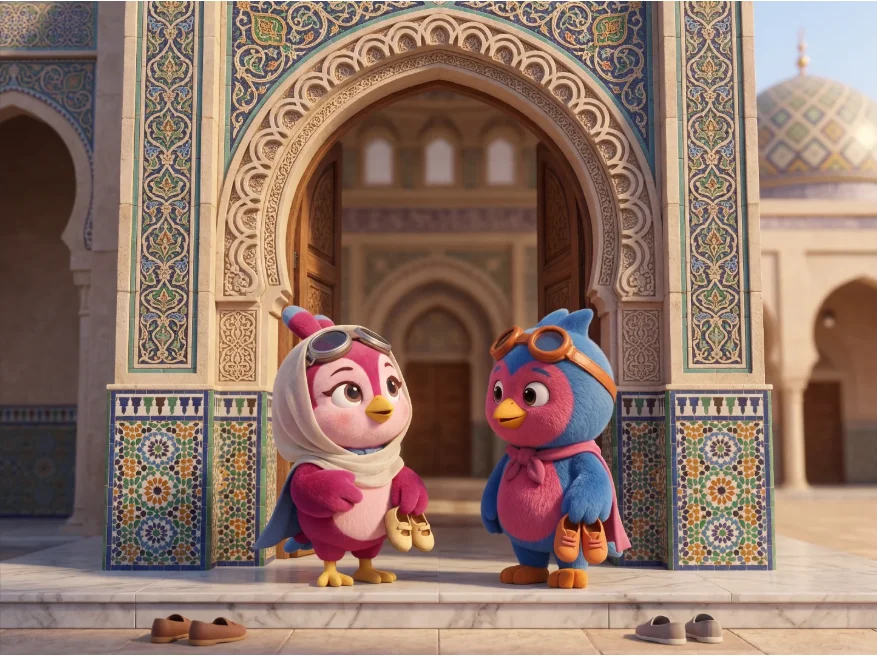
Every religious place has its own rules and traditions. What is considered acceptable in one country may be undesirable in another. Before visiting, it is worth taking a few minutes to study information about a specific facility. Usually, requirements for visitors are published on official websites or placed near the entrance.
Many religious norms have been formed over centuries and are part of the people's cultural heritage. Even if some rules seem unfamiliar, following them is perceived as a sign of respect for the host party.
Before visiting, it is worth paying attention to the following points:
● rules for entering and visiting the site;
● clothing requirements;
● the need to take off your shoes;
● restrictions on photo and video recording;
● peculiarities of behavior during religious services.
Preliminary information helps avoid mistakes and allows one to focus on getting to know the history and culture of the place. Furthermore, such an approach demonstrates a respectful attitude toward local traditions, which always generates a positive reaction from others.
Clothing and appearance
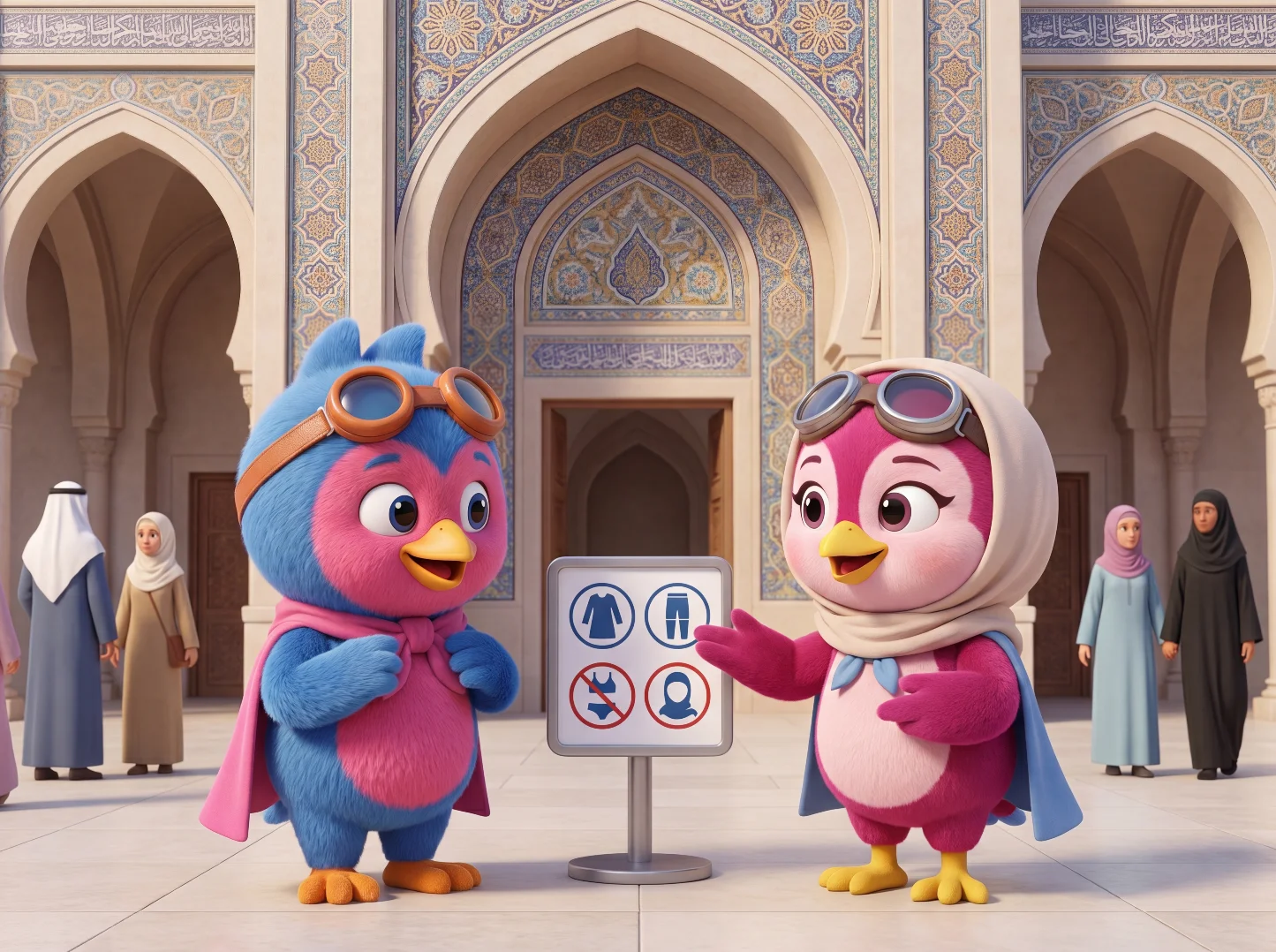
Dress requirements are among the most common rules for visiting religious sites. In many countries, visitors are asked to choose a more restrained appearance regardless of gender, age, or religion. Even if the place is actively visited by tourists, this does not negate its religious significance.
Modest attire avoids unnecessary attention and demonstrates respect for local traditions. This is especially relevant in the countries of the Middle East. When visiting mosques and religious complexes, guests are expected to comply with the established requirements for appearance. In some cases, visitors with an unsuitable appearance may simply not be allowed inside.
It is most often recommended to comply with the following requirements:
● cover the shoulders and knees;
● avoid wearing overly open or transparent clothing;
● give up the beach style;
● use headwear where required by the rules;
● to comply with the requirement to take off your shoes before entering.
Avoid bright prints with skulls, nudity, or religious symbols of other faiths. It is better to choose neutral clothing made of natural fabrics—it does not make you hot or stuffy even when standing for a long time. If you are in doubt, take a light, long cardigan or pareo with you.
If you are unsure whether you need to take off your shoes, pay attention to signs or the behavior of other visitors. If necessary, this issue can always be clarified with the employees or servants of the religious facility. In tourist spots, they are used to such questions and will answer politely. The main thing is not to enter the temple in dirty shoes, even if it is permitted by the rules.
Code of Conduct in a Religious Place
Even if the site is open to tourists, it is important to remember that for many people, it remains an active place of worship. Therefore, it is customary to maintain a calm atmosphere inside and treat others with respect. Loud conversations, phone calls, and noisy behavior can interfere with people who have come to pray.
It should also not be forgotten that there are closed areas intended only for the clergy or participants in religious ceremonies. If a specific part of the complex is marked as inaccessible to visitors, it is necessary to comply with the established restrictions.
During the visit, it is recommended to follow simple rules:
● to speak quietly or, if possible, to remain silent;
● to switch the phone to silent mode;
● do not go behind fences and warning signs;
● not to touch religious objects without permission;
● to carefully follow the instructions of employees and employees.
Some countries have additional traditions that may be unfamiliar to foreign guests. For instance, in Thailand, special attention is paid to respecting Buddhist shrines and Buddha images, so tourists are advised to follow local rules carefully.
Photo & Video Capture

It is difficult to imagine travel without photographs, but filming is becoming one of the most frequent reasons for comments from tourists. In some religious sites, photography is permitted without restrictions; in others, it is completely prohibited or permitted only without flashing.
Visiting rules may vary even within the same country. For example, in Russia, photography is permitted in some temples under certain conditions, while in others, it requires a separate permit.
Particular caution should be exercised during religious ceremonies and worship services. For believers, such moments hold deep spiritual significance; therefore, the filming may be perceived as an interference in personal space.
If the filming rules are not clearly specified, it is better to clarify them with the facility's employees. Such a question is always perceived positively and helps avoid unpleasant situations. In most cases, a respectful attitude toward the established requirements allows one to calmly take photographs wherever it is truly permitted.
What to do if they made a mistake
Mistakes during travel happen even to experienced tourists. You may accidentally step on a prayer rug, film something you shouldn't, or forget to take off your cap. If an employee or local resident politely points out a mistake to you, do not argue, do not justify yourself by saying "I am a tourist, I did not know." Just say thank you and fix the action. Apologize briefly: "Excuse me, please, I didn't think of that."
Most employees understand that tourists are not required to know all the ins and outs. As a rule, employees and local residents understand that guests of the country may not know all the nuances of local traditions. If you are calm and correct yourself at the first remark, there will be no conflict. Even in the strictest places, an accidental mistake is treated more gently than a deliberate rudeness.
The only thing you definitely shouldn't do is pretend nothing happened or keep breaking the rule. Do not engage in argument or demonstratively express dissatisfaction with the established rules: "In our country, everything is different!" This will instantly turn the awkwardness into a scandal. Better remember your experience and prepare better next time.
Conclusion
Visiting religious sites helps one better understand the history, traditions, and worldview of different peoples. Such sites often become one of the most memorable travel destinations, as they allow one to see the country's culture not through museum displays, but through the daily lives of its residents. At the same time, respectful behavior does not require special knowledge or serious preparation.
It is sufficient to remember that for many people, religious places hold a special significance. An attentive attitude toward the rules helps avoid awkward situations and makes acquaintance with the culture more profound and meaningful. It is precisely respect for traditions that often becomes the key to a comfortable and pleasant journey.
Before visiting any religious site, it is useful to remember several universal recommendations:
● to familiarize themselves with the visit rules in advance;
● choose modest clothing;
● to maintain silence and order;
● to clarify the possibility of photography;
● respect restrictions and closed zones;
● to be attentive to local customs and traditions.
Following these recommendations does not require much effort, but it helps avoid misunderstandings during the trip. Respecting local traditions makes travel more comfortable and allows for a better understanding of the country's culture. It is this attitude that helps turn visiting well-known landmarks into a truly valuable experience of getting to know the world.
Become a guide to the world of travel


