


Adviсes • 22 January, 2026
How to prepare for a long flight and conserve your energy
Long flights rarely pass without leaving their mark, even if everything went smoothly: no delays, comfortable seats and normal weather outside. Even on Centrum Air flights, where the emphasis is on well-planned flight organisation and passenger comfort, the body still reacts to hours of immobility, dry air, noise and a change in its usual rhythm. Fatigue may not be felt immediately, but it will definitely manifest itself later – in the form of exhaustion, drowsiness, or a feeling that you have less energy than you should.
The reasons for this condition are almost always the same. These are disrupted biorhythms, dehydration, tension in the muscles and nervous system, as well as a lack of proper rest while travelling. If you do not prepare for the flight, even a short trip can throw you off balance, let alone a flight lasting many hours. However, it is quite possible to preserve your strength. It is important to understand that comfort on a long flight is not a single successful technique, but a chain of decisions: from preparation at home to behaviour after landing. If you build this chain correctly, the journey ceases to be a test and begins to be perceived as a manageable process.
Preparation a few days before the flight
The first step to an easy flight does not begin at the airport or even the day before departure, but several days before. It is during this period that the body either builds up its reserves of strength or sets off on the journey already tired. We often underestimate this stage, trying to get everything done before the trip, but it is precisely this rush that will come back to haunt us on the plane.
If you slow down a little in advance and review your usual rhythm, your body will react much more calmly to prolonged sitting and changing conditions. Preparation does not require radical changes, but it must be consistent. Even small adjustments have a noticeable effect.
It is important not to overload yourself physically or emotionally. The more stable your condition is before departure, the easier the flight itself and the subsequent adaptation will be.
Sleep patterns and their effect on endurance. A stable sleep and wake-up time helps the nervous system to function smoothly. A few days before the flight, it is helpful to go to bed a little earlier and avoid working late at night.
Adjusting your schedule to the time zone. Gradually shifting your sleep and meal times reduces the sharpness of the transition and lessens the feeling of ‘disorientation’ after arrival.
Nutrition and water balance before the trip. Light meals and sufficient water help the body avoid wasting extra resources on recovery.
Physical activity and exercise before departure. Moderate walks and stretching improve blood circulation and prepare the body for long periods of sitting.
This preparation makes the start of the journey more relaxed. The body does not go into survival mode during the flight and copes with the stress more easily. This creates a good foundation for all subsequent stages of the journey.
Choosing a seat for a long flight
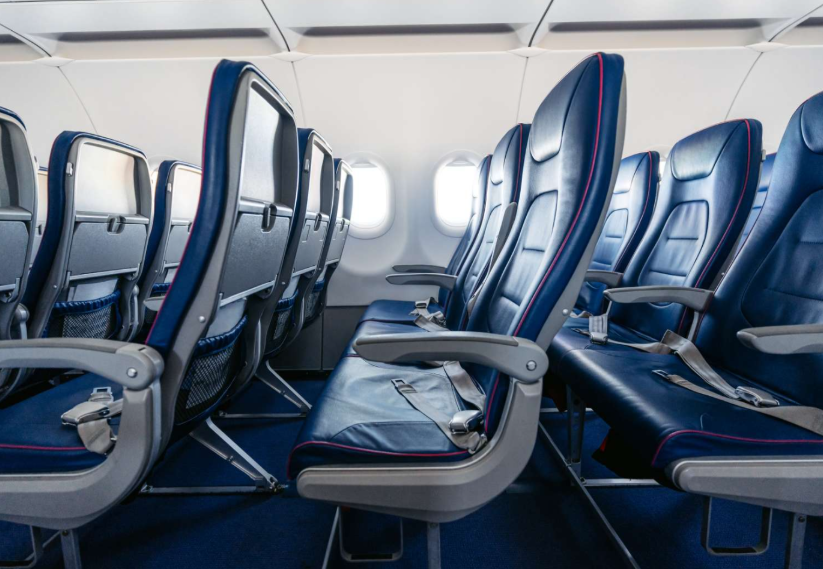
Once you have completed your basic preparation, it is worth thinking about comfort before you check in for your flight – when you choose your ticket. The difference between a good and a bad seat in the cabin is particularly noticeable on a long flight. Being able to stretch your legs, get up freely or sleep peacefully has a direct impact on your level of fatigue. Even a little extra space can make a difference if you have to spend several hours in a row in your seat.
When choosing a seat on a plane, it is worth considering not only the price of the ticket, but also the features of different areas of the cabin:
Aisle seats. Suitable for those who do not like to sit still. It is easier to get up from the aisle, stretch your legs and not disturb your neighbours, which is especially important on long flights.
Window seats. They allow you to lean back, block out the movement in the cabin and sleep more peacefully. These seats are often chosen by passengers who want to minimise external distractions.
Rows by the emergency exit. These usually offer extra legroom and greater freedom of movement. On Centrum Air flights, the first row and seats by the emergency exit are classified as premium seats, making them particularly comfortable for long flights.
Sometimes, paying extra for a more comfortable seat is not an unnecessary expense, but a wise investment in your own well-being. This is especially true if you have a busy schedule or important things to do after your arrival. Choosing the right ticket makes the flight more predictable: you know in advance what conditions you will be spending several hours in, and this in itself reduces stress.
What to take with you on board the aircraft
Even with a good seat and a smooth flight, it's the little things you have at hand that make a big difference. The aircraft cabin is a space where you will spend many hours, and personal comfort is paramount here. What you have in your hand luggage directly affects your sense of calm and control.
It is important not to try to take everything at once. It is better to think in advance about what items will really help your body and nervous system relax. When you have the right items at hand, the flight feels less stressful.
Clothing and footwear for a long flight. Loose-fitting items without tight elastic bands help to avoid swelling and discomfort.
Accessories for sleep and rest. A mask and earplugs will help you isolate yourself from noise and light, and a neck pillow will make it easier to get ready for sleep and eliminate unnecessary items in your hand luggage.
Useful little things for comfort. Moisturisers and wipes help combat dry air.
Electronics and entertainment on the go. Passengers can use the Centrum Media service, a cloud-based entertainment system with access to films, flight information and services directly from their personal devices. Prepared content will make the time pass more quickly and help you switch gears.
When everything you need is at hand, the flight is more peaceful. You are less distracted by discomfort and find a comfortable rhythm more quickly. This has a positive effect on both your well-being and your mood.
Food and water during the flight
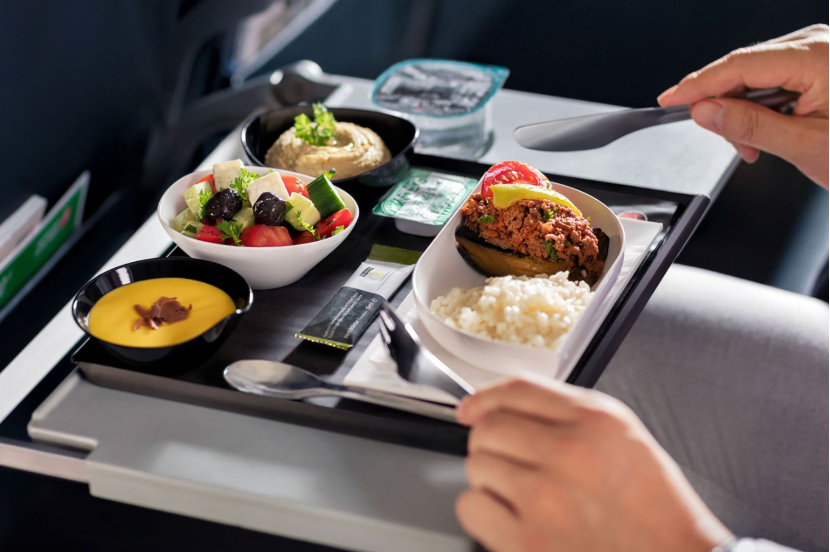
The longer the flight, the more your body reacts to what and how you eat. In the air, your usual sensations change: your appetite may disappear, and fatigue, on the contrary, may accumulate more quickly. Therefore, food and water cease to be just part of the service and begin to directly affect your well-being.
It is important not to treat food on the plane as something secondary. Even small snacks and plain water help to maintain a sense of stability and avoid sharp drops in energy. The calmer your body works, the easier the journey will be.
Drink 250-500 ml of water for every 3 hours of flight time. The air in the cabin is extremely dry, and the usual feeling of thirst is not enough to notice a lack of moisture in time.
Minimise caffeine and alcohol. These drinks have a diuretic effect and disrupt sleep cycles, which prevents the body from recovering after landing.
Choose light foods. Heavy, fatty meals and fast carbohydrates (buns, sweets) cause sharp spikes in blood sugar and bloating due to pressure changes. It is better to order a balanced meal in advance.
Bring a healthy snack with you. Nuts, dried fruit or protein bars will help you avoid feeling hungry if your in-flight meal is delayed or doesn't suit you.
Use electrolytes. Adding an effervescent tablet containing magnesium and potassium to your water will help retain moisture in your cells and reduce swelling in your legs.
When food is not an additional burden, the flight goes more smoothly. You feel less energy fluctuations, rest more easily and adapt more quickly to long periods of travel. It is often these little things that determine the overall impression of a flight.
Movement and exercise on the plane
The longer you sit in your seat, the more your body reminds you of itself. Stiff muscles and heavy legs are a sign that it's time to move. Even if the flight is smooth, immobility gradually builds up tension.
Moving around on a plane does not require any special conditions. The main thing is to do it regularly and pay attention to how you feel. The sooner you start, the easier it is to stay comfortable.
A little activity helps your body not to ‘freeze’ and reduces overall fatigue.
Get up and walk around every 1.5-2 hours. Walking to the end of the cabin and back is the most effective way to get your blood flowing throughout your body.
Keep your legs straight. Try not to cross your legs at the ankles or knees so as not to constrict your veins. If possible, stretch them out under the seat in front of you.
Roll your feet. Every half hour, do 20 toe raises and heel raises right in your seat – this is a basic exercise for working the calf muscles.
Take off your shoes. If the flight is long, wear thick compression socks or simply slippers. This will remove excess pressure on your feet.
Stretch your shoulders. Once an hour, do 5-10 circular movements with your shoulders backwards. This will help you avoid ‘cringing’ and maintain normal breathing.
Regular movement makes the flight less tiring. After landing, your body will feel more alive and adapt more easily to new conditions.
Sleep and rest during the flight
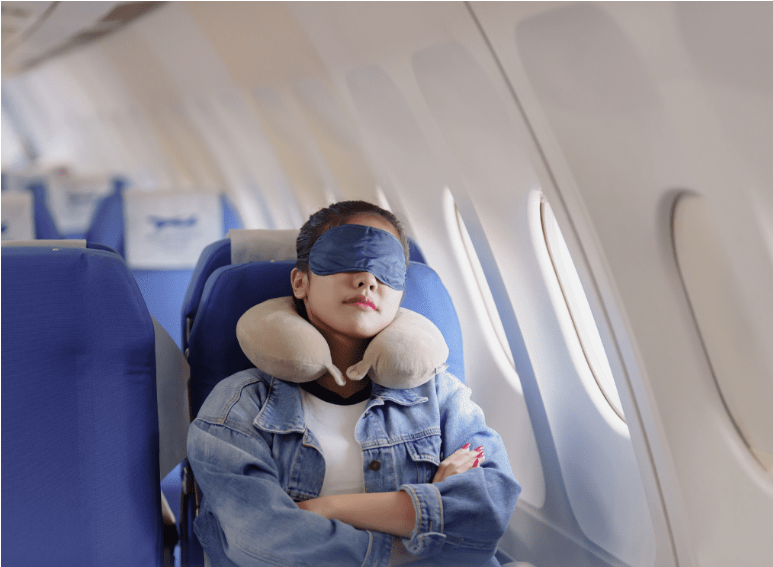
Rest is especially important during long flights. It is not always possible to get a good night's sleep on a plane, but even short periods of relaxation are beneficial. The main thing is not to demand the impossible from yourself. Sometimes it is better to just close your eyes and allow yourself to rest a little. This state also restores strength and helps the nervous system to switch gears.
The more peaceful your rest is, the easier it will be to endure the rest of the journey.
Synchronise with your destination. Try to fall asleep only if it is night time at your destination. This will ‘trick’ your biological clock and help you avoid severe jet lag.
Create a point of support. Remove any extra magazines from your seat pocket and use a travel pillow to support your neck and reduce tension in your shoulders during the flight.
Use a ‘digital detox’. Stop watching films half an hour before bedtime. The blue light from the screen blocks melatonin, making sleep shallow and intermittent.
Control your level of satiety. Do not go to bed immediately after a heavy ‘airplane’ meal, as all your energy will be spent on digestion in conditions of hypoxia.
Relax your body through breathing. If anxiety is keeping you awake, do a few cycles of slow breathing (inhale for 4 counts, exhale for 8) to calm your nervous system.
Even partial rest will improve your well-being. You will be less tired and maintain clarity of perception, which is especially important towards the end of the flight.
Conclusion
A long flight will be much easier if you perceive it as a sequential process rather than an inevitable ordeal. Every decision, from preparation at home to behaviour after landing, contributes to your overall well-being.
Preparation reduces fatigue not in the abstract, but on a sensory level. Your body and nervous system receive support, making the journey calmer and smoother.
To maintain your strength during a long flight, it is important to remember a few basic principles:
Prepare in advance. Sleep, water and a calm rhythm a few days before departure set the tone for the entire trip.
Invest in comfort. A comfortable seat, the right clothes and the necessary small items at hand really reduce the stress.
Support your body during the flight. Water, movement and short breaks work better than any ‘heroic’ attempts to endure.
Think about your arrival while you are still in the air. Sleep, food and routine on the plane directly affect how you feel after landing.
If you approach the flight consciously, long journeys cease to be exhausting. They become part of the trip that can be enjoyed comfortably and without unnecessary stress.
Become a guide to the world of travel


