


Aviation • 6 May, 2026
First in the air
Air is not only the element we breathe — it is the space where heroism is born and dreams take flight. For Uzbekistan, the sky became a stage of firsts: the region’s first airplane took off here, the first airport opened its gates, and the first national pilot rose into the air. In his author’s column, Eldar Yuldashev — PhD in Film Studies, academician of the Istanbul Film Academy, and founder of the Tashkent branch of VGIK — tells how the history of Uzbekistan’s aviation is more than a chronicle: it is an inspiring story of courage, pioneering spirit, and remembrance.
It was destined that Tashkent would become the birthplace of both the first aircraft and the first air harbor in Central Asia. Uniting these two milestones is the figure who became a symbol of Uzbek aviation — the first national pilot, Abdusamat Taymetov. He would later take the controls of a legendary aircraft and head the Tashkent Airport.
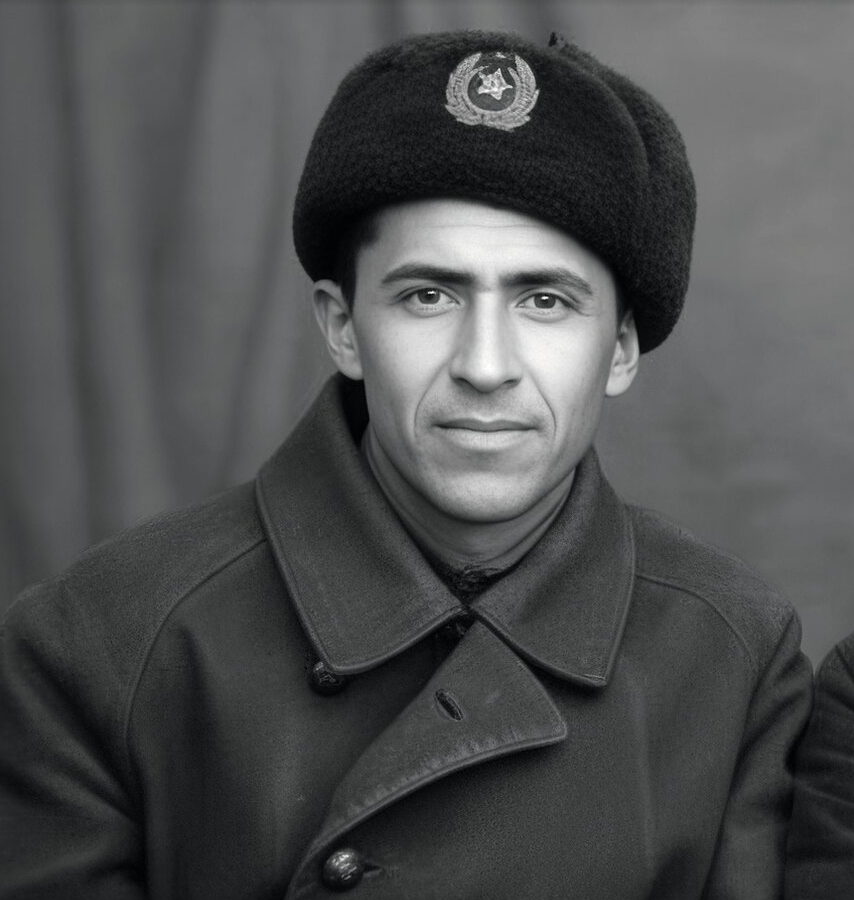
This story forms a kind of “golden triangle” of regional firsts — the pilot, the aircraft, and the airport. It is brought to life in the documentary Taymetov. The Herald of Victory — the only large-scale project in Uzbekistan dedicated to the 80th anniversary of the end of World War II.
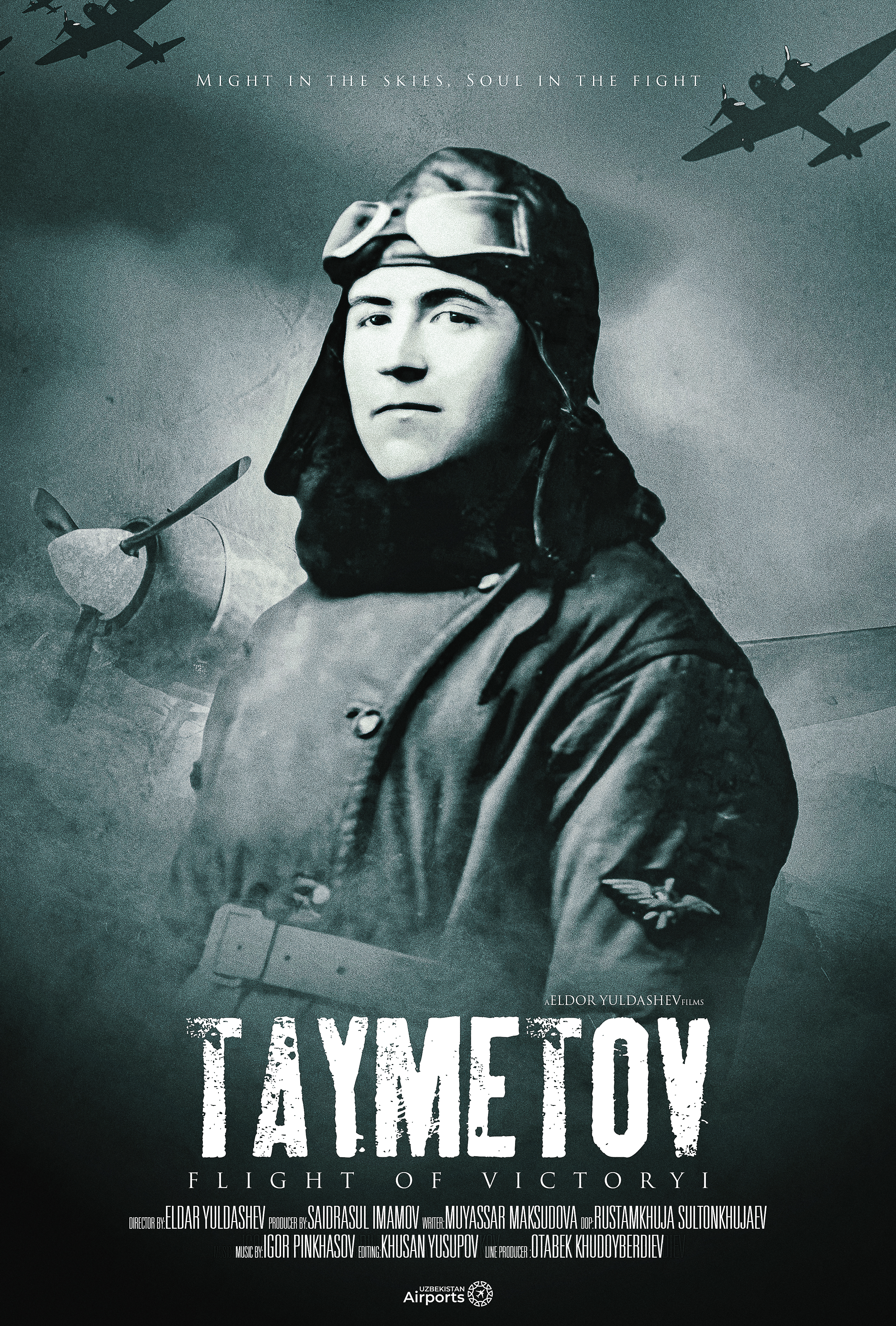
Created with the support of Uzbekistan Airports, the film immediately drew attention far beyond the country’s borders. Its premiere took place in one of the world’s oldest cinemas — Moscow’s Khudozhestvenny on Arbat Square. This iconic theater once hosted the 1926 premiere of Battleship Potemkin, hailed as the greatest film of all time; in 1931, the first Soviet sound film Road to Life; and in 1936, the first color film Grunya Kornakova. And now, in 2025, it became home to the premiere of the Uzbek film about Taymetov.
Within its first month, the film won three international awards: the Diploma for Best Film at the 19th International Media Forum Dialogue of Cultures, recognition as Best Debut at the 34th Golden Knight Film Forum, and the Press Award at the Eurasia Film Festival, surpassing ninety competing films — including works by masters of Uzbek cinema such as Zulfikar Musakov’s Umida. A Dream of Fujiyama and Muzaffar Erkinov’s Makhtumkuli Firaqi.
The screening also coincided with the 34th anniversary of Uzbekistan’s independence. To mark the occasion, the film was presented across the CIS countries and China — from Almaty to Harbin.
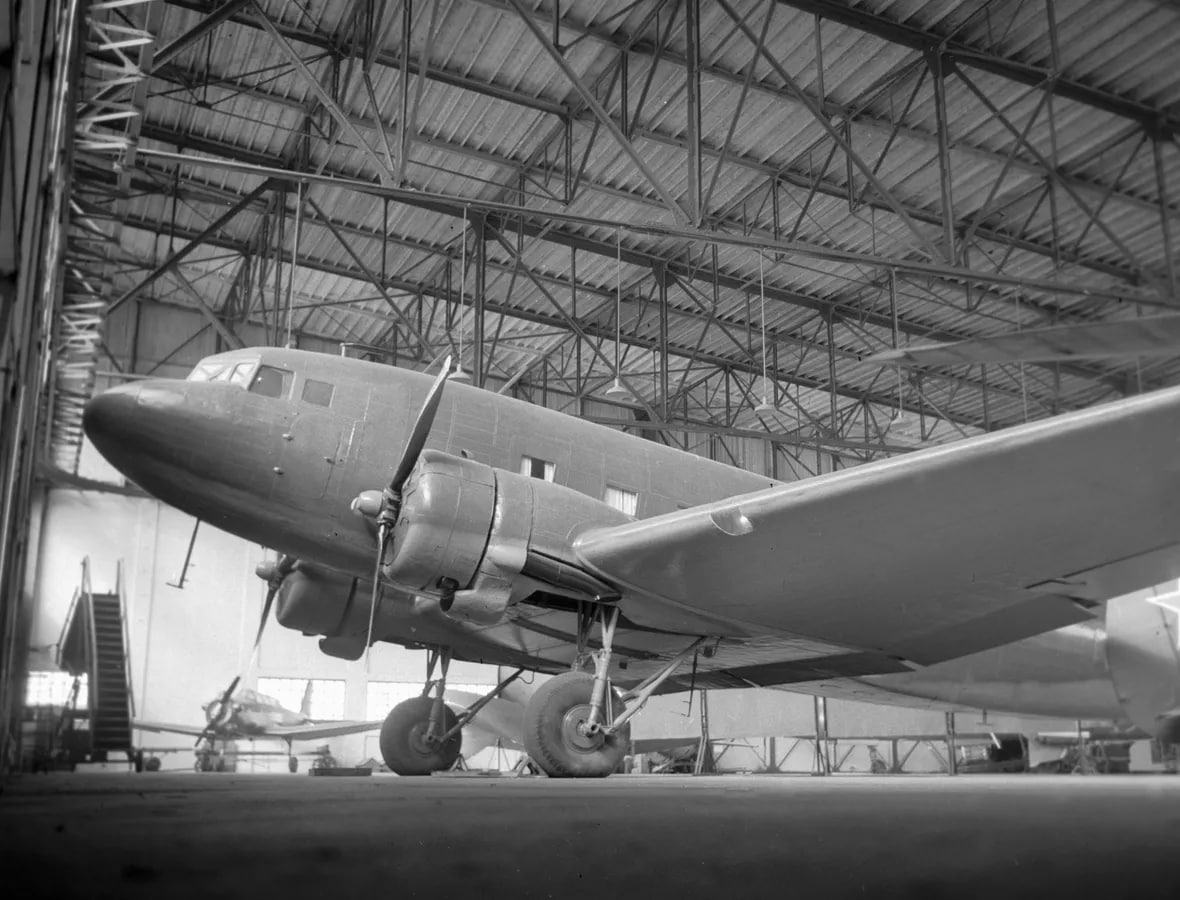
The story of Taymetov and the Uzbek sky is a true saga of leadership, courage, and the heroism of an entire nation. Let us take a closer look at how it all began. The first aircraft of Central Asia In december 1941, employees and equipment from an aircraft plant in the Moscow suburb of Khimki were evacuated to Tashkent in 17 train convoys. Just nine months later, with the support of the republic’s leadership and its people, a completely new winged machine took to the skies — the first Li-2 aircraft, created on the basis of the PS-84 by engineer Boris Lisunov. However, in 1942, when the formation of long-range aviation began, it became clear that the country was critically short of heavy bombers. The solution came swiftly: the Li-2 was modified into a night bomber. These aircraft took part in key wartime operations — from bombing and reconnaissance missions to evacuating the wounded and delivering ammunition. And if the T-34 tank and the “Katyusha” rocket launcher became the symbols of Victory on the ground, then in the air, that symbol was the Tashkent-built Li-2. The aircraft produced in Tashkent served as the main air bridge to besieged Leningrad — delivering food and supplies, and on return flights carrying out civilians, including skilled workers, scientists, and children. It was in this way that the Leningrad Conservatory was evacuated to Tashkent. Flying up to two missions a day, these aircraft delivered up to 150 tons of food to the city. In just a few months, they transported 5,000 tons of supplies and evacuated 50,000 people. In memory of this feat, the centerpiece of the Road of Life museum in St. Petersburg features the Li-2 itself. In total, the Tashkent plant produced 4,276 of these aircraft — half of them during the hard years of war. Today, monuments to this legendary aircraft stand across the world — from Dikson Island to Warsaw — and even the People’s Bank of China issued a banknote depicting it. Remarkably, one Li-2 is still in service today: it belongs to the fleet of the Hungarian airline Malév and bears the name of aviation engineer Theodore von Kármán. The first air harbor of Central Asia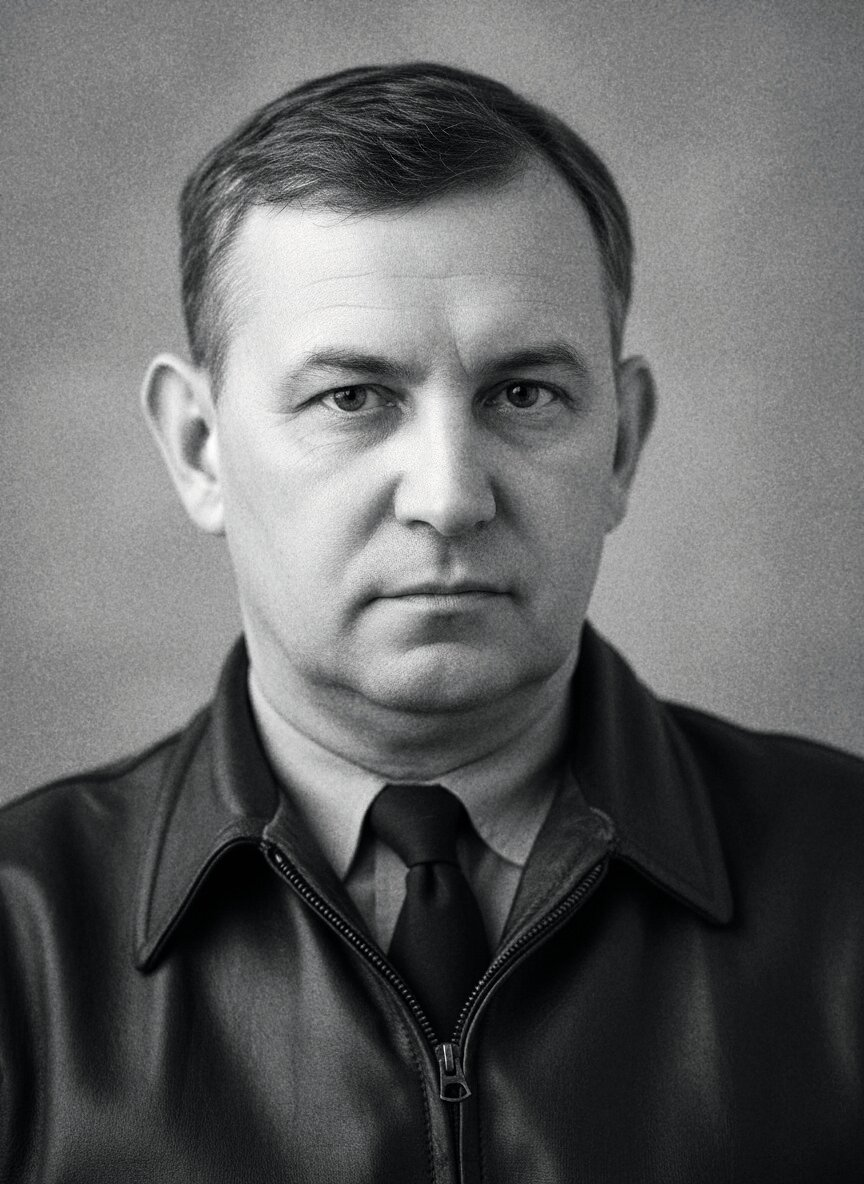
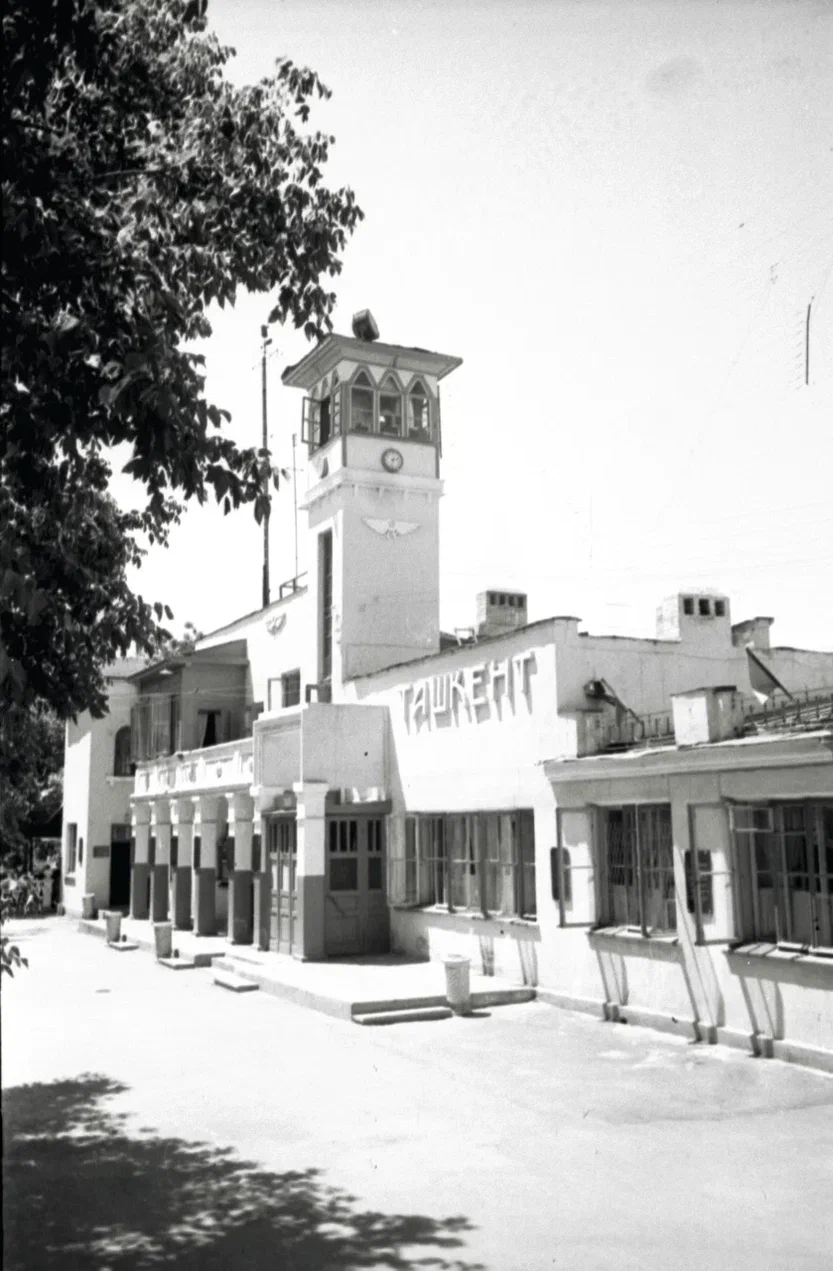
The first airport in the region also appeared in Tashkent. On May 12, 1924, the very first passenger flight departed from here on the Tashkent—Bishkek—Almaty route. Within a year, the new airfield served around a thousand passengers, five tons of cargo, and 200 kilograms of mail, establishing Uzbekistan as the main aviation hub of the region.
Soon, Tashkent connected not only the cities of Central Asia but also international routes: in 1927, the Tashkent—Kabul line was opened, and in 1930, the first flights from Moscow were received.
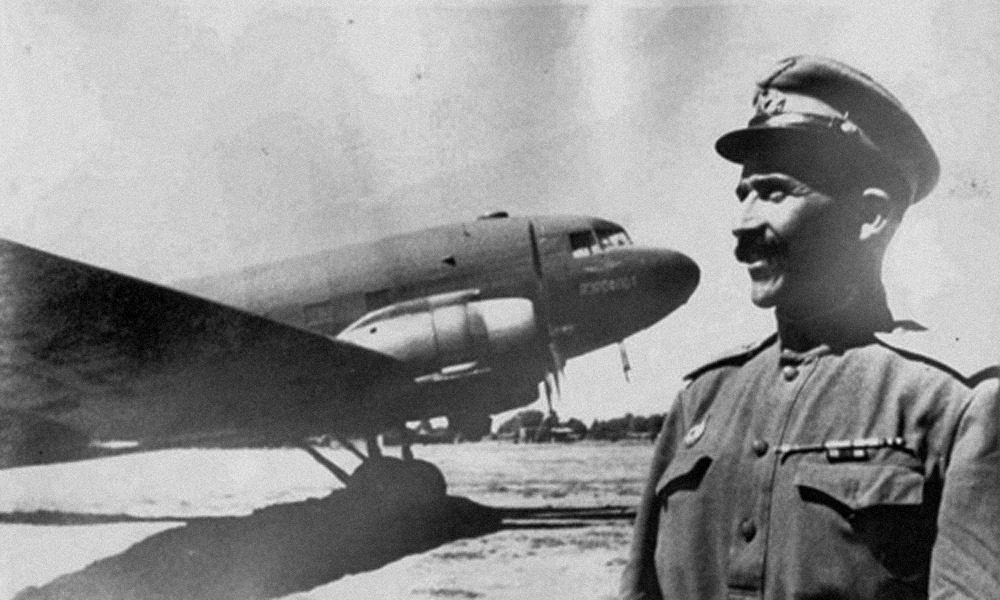
In 1958, the airport — again the first in the region! — was granted international Class I status. It also became a stage for aviation premieres: on September 20, 1972, the supersonic Tu-144 made its maiden flight here, and on December 26, 1982, Tashkent Airport became the only airport in Central Asia (and the second after Moscow) capable of receiving and servicing a four-engine, medium-range, wide-body first-class passenger aircraft, the Il-86.
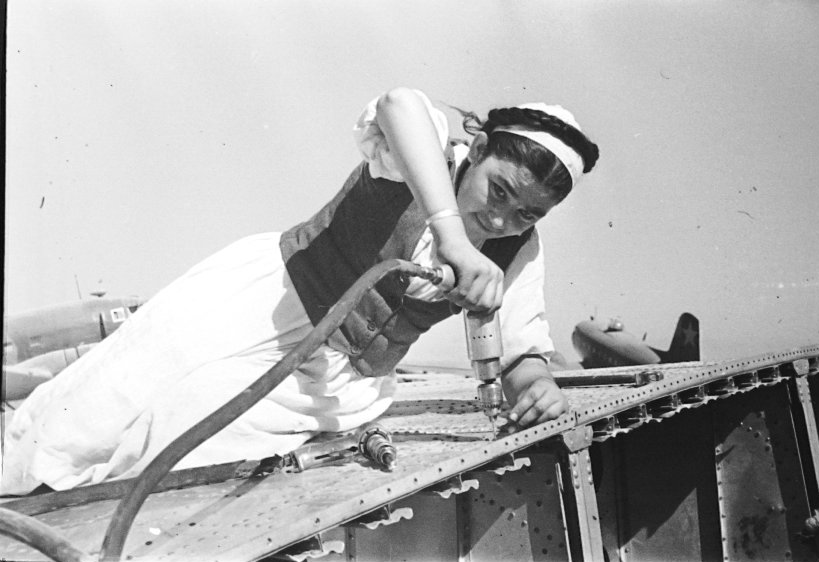
Today, Tashkent International Airport named after Islam Karimov is undergoing a major modernization while continuing to hold its position as one of the key aviation hubs of the region.
The First Uzbek in the Air
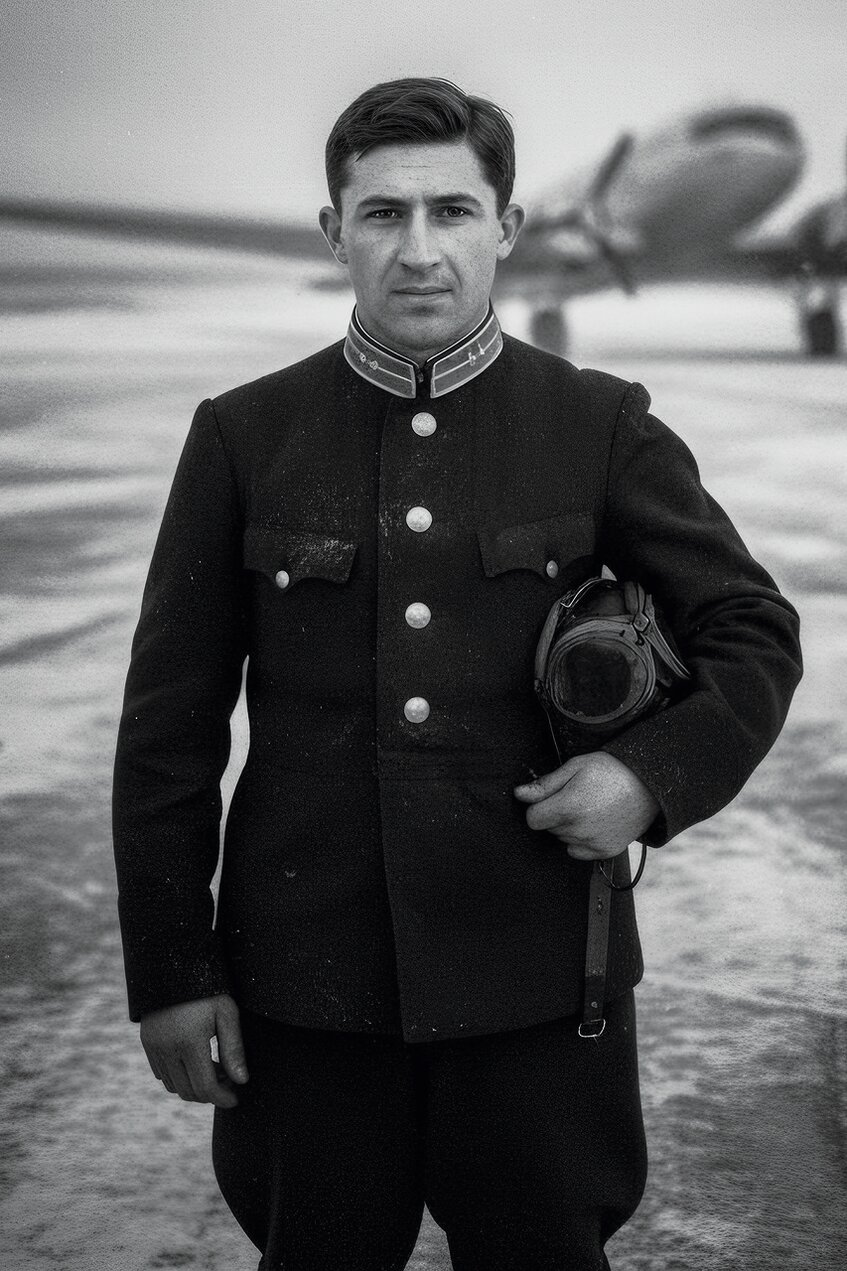
From the very first days of the war against Nazi Germany, almost the entire personnel of Uzbek civil aviation units were incorporated into the Air Force: 2,500 aviators from Uzbekistan fought on the front lines. Among them was Abdusamat Taymetov. On May 9, 1945, he delivered from Berlin to Moscow the most important document in human history — the Act of unconditional surrender of Germany, along with the Victory Banner from the Reichstag and the standards for the parade on Red square.
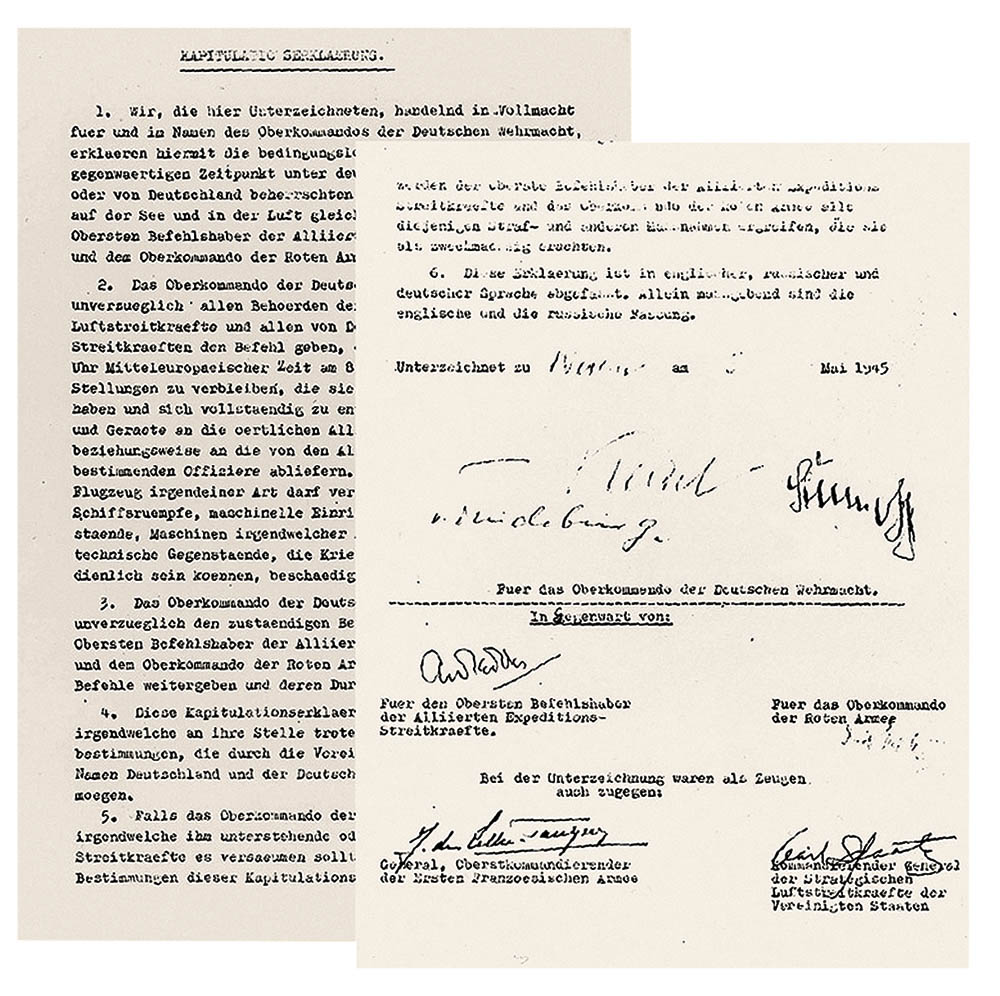
His path to this historic day was far from easy. From 1941 to 1943, Taymetov was repeatedly denied deployment to the front. Only in 1944 did he enter the thick of the war, yet that year alone he completed around 200 night sorties beyond the front line, parachuting in reconnaissance and sabotage teams. By 1945, he served as a captain in the 19th special purpose aviation regiment.
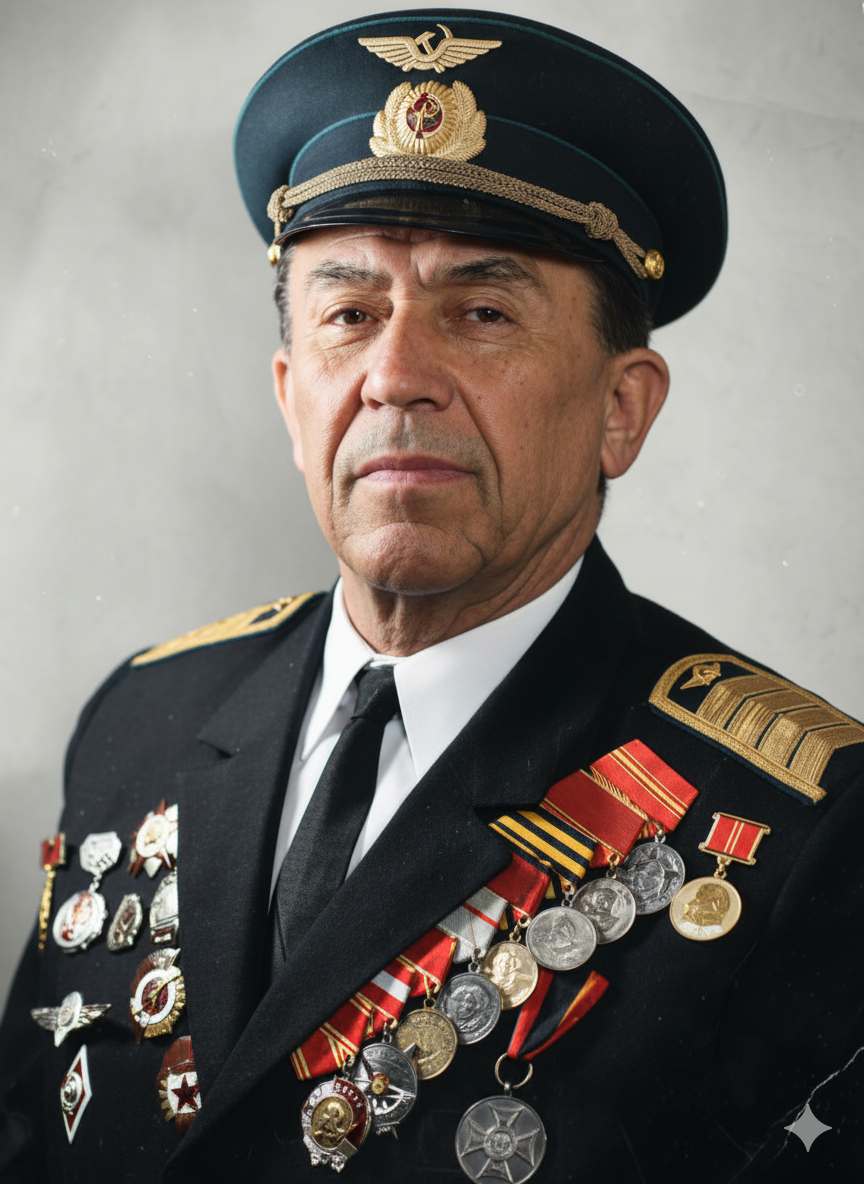
On May 6, 1945, Captain Taymetov returned from an important mission in distant Tehran to a military base near Moscow, unaware that the very next day he would undertake a highly secret operation that would mark the final chapter of World War II. For decades, this mission remained classified, and Taymetov himself remained silent, bound by non-disclosure agreements. Until the declassification of the “secret” stamp, the nation knew nothing.
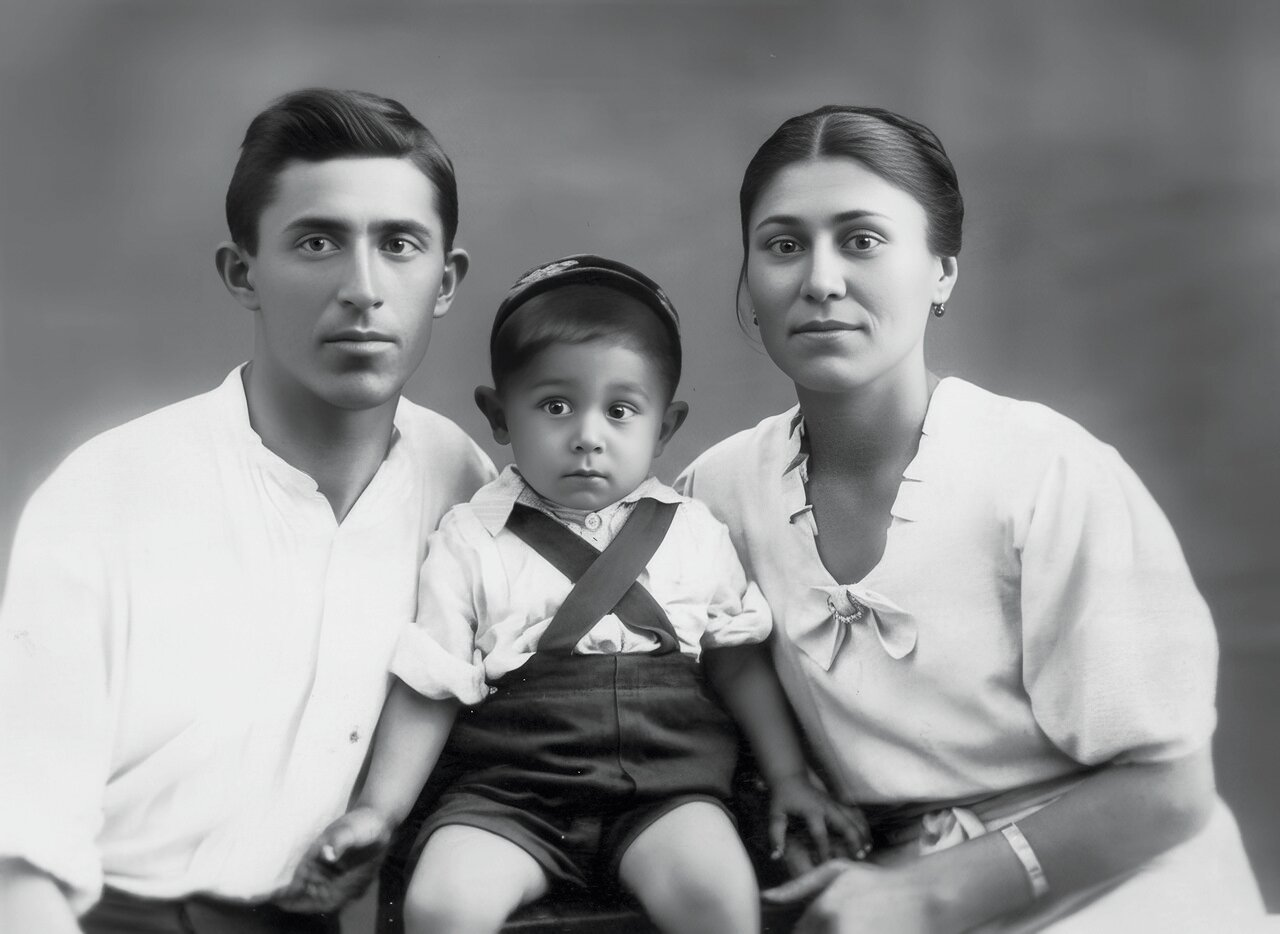
After the war, Taymetov returned to Uzbekistan, joining the civil aviation system. He continued flying and later spent many years heading Tashkent Airport, under his leadership gaining the status of a first-class international airport. Taymetov was always a pioneer. He led the first flight training institution, once located in Syrdarya, and initiated the first pension reform for flight personnel, dramatically increasing retirement benefits for veteran aviators. Equally remarkable was his wife, Bibiniso Baltabaeva. As the first uzbek female parachutist in history, she performed many heroic deeds for the benefit of the Motherland — but that is another story…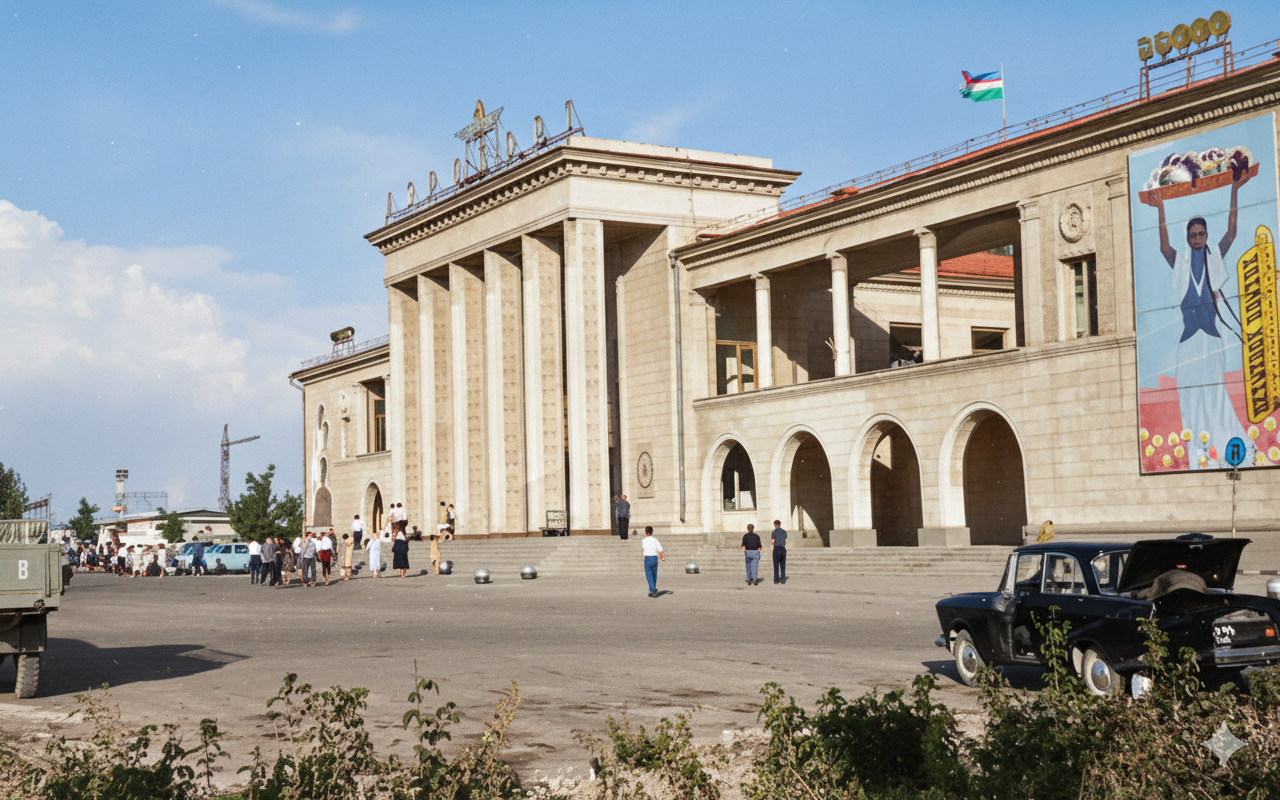
Become a guide to the world of travel


