


Culture • 6 May, 2026
On the Edge of the Elements
He stood atop waves as high as a house — falling, rising, and heading back into the ocean again. Then he would soar through the air, leaping off cliffs and feeling kilometers of emptiness beneath him. Andrey Karr is one of the first Russian big-wave surfers and BASE jumpers — a man for whom movement is a way of life, and the elements are a language of self-discovery. His life is a balance of adrenaline, silence, and honesty with himself.
We spoke about how he came to extreme sports, what makes fear different from panic, why Nazaré is the Everest of surfing, and why sometimes the dream of a family feels more important than the ocean.
— How did your connection with sports begin? Were you drawn to extreme activities since childhood?
— My whole family are climbers and mountaineers. They went to the mountains, skied, flew paragliders. All of that surrounded me from an early age and felt completely normal. My parents never set out to make me do sports — it was just something I absorbed with my mother’s milk.
Of course, not everything was bright and easy. Mountaineering is not exactly a pleasant pastime, especially for a child. There were no tragic incidents, but even back then I felt it was a bit too much — so for the next twenty years I didn’t even want to think about climbing.
— How did you discover big wave surfing and become the first to do it in Russia?
— To be honest, technically I’m not the very first big wave surfer in Russia. That title probably belongs to Seva Shulgin, who once surfed the Jaws wave in Hawaii — off the north shore of Maui. The waves were about eight to ten meters then, and he even made a film about it.
But if we’re talking about true big wave — ten meters and higher — then yes, Andrey Ovchinnikov and I were the ones who paved the way for Russian surfing. I first made it to Nazaré in Portugal — home to the biggest waves on the planet — in 2015. At that time, there was a small group of surfers led by Garrett McNamara, who had discovered that wave four years earlier. I was able to learn from them, and Garrett himself taught me how to handle a jet ski in those conditions.
In reality, there’s no strict definition of what a “big wave” is. A big wave is when the surf is five meters today, and you’re sitting there waiting for a six-meter one. But really, it’s not about the height — it’s about the inner drive to keep coming back to the ocean again and again, in any weather and any storm.
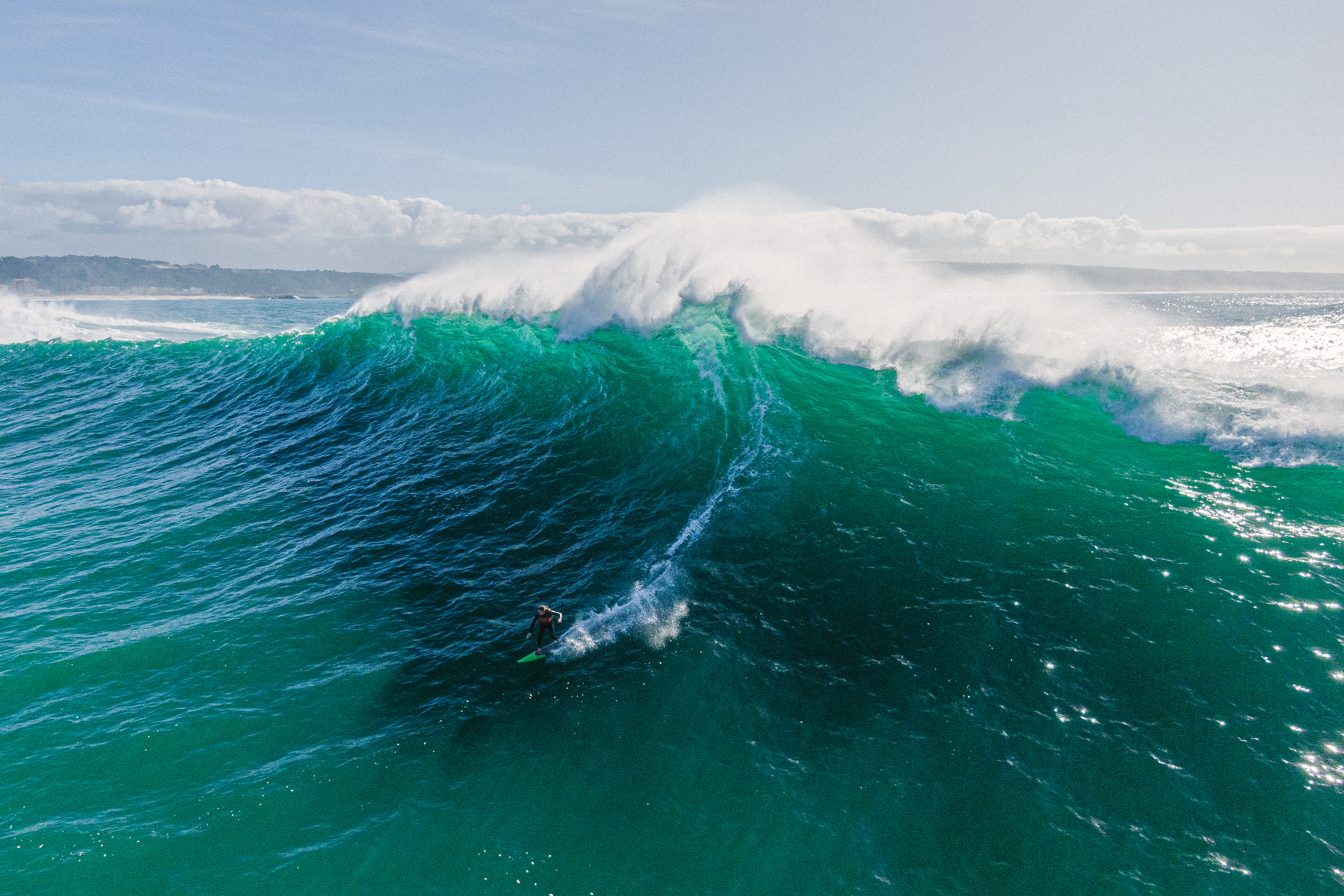 Photo: Kirill Umrikhin
— Do you remember the moment you first decided to take on a 20-meter wave?
— Back in 2008, when I had just started surfing and was studying the legendary spots, I came across Teahupo’o in French Polynesia — and instantly knew that one day I had to ride it.
Then, in 2015, some Norwegian friends of mine were planning a trip to Portugal and invited me along. I had this thought: it’s either now or never. So I got on a plane — one-way ticket, 316 euros in my pocket.
Ed. note: Teahupo’o (or Chopu) is a legendary wave. It forms due to a sharp drop in seabed depth and gathers such power that when it breaks, it pulls the water downward — below sea level. Because of the unique bottom shape, the water folds into one massive wall, leaving the reef almost exposed underneath. Surfers call Teahupo’o the heaviest and most dangerous wave on the planet. In 2018, Andrey Carr succeeded in conquering it.
— What do you feel when you’re on top of a wave?
— In fact, it’s not really about the moment when you’re on the wave itself. Sure, there are times when a raging wall of water is chasing you, and you’re really on the edge. But it all begins the moment you head out into the ocean. Waves the size of ten-story buildings roll by, there’s no chance of any rescue reaching you here, and your mind instantly switches to the here and now mode — full focus. And once you finally catch the wave, everything else disappears — there’s only the moment itself and what’s happening within it. You feel every tiny ripple on the surface, the glide of the board, the vibration of the fins — those small blades at the bottom that control speed and maneuverability. Sometimes your eyes see nothing but the point ahead — behind you rises a giant shadow, thousands of tons of water are collapsing, and all that matters is not slipping, not burying the board’s nose, not getting thrown off the straps. The main thing is not to fall.
There’s a stereotype that extreme athletes live for adrenaline, but that’s not true. Nothing happens for the sake of adrenaline — it’s just a tool. Its surge activates every human faculty: intellect, body, concentration. Adrenaline isn’t the goal; it’s the fuel. An essential part, but far from the essence.
— Our issue is dedicated to air. You seem to know more about it than most, having a background in base jumping. What does it feel like when your body leaves the ground and all that’s left is air?
— To be honest, it’s hard to recall exactly how base jumping felt — I started jumping with a parachute a bit earlier, at fourteen. Even before that, I was inspired by the projects of Valery Rozov, then Dima Kiselev and Dan Linchevskiy (Ed. note: pioneers of Russian base jumping and various extreme projects, who inspired an entire generation of athletes). So I didn’t really see another path other than base jumping. At sixteen, I started jumping off rusty antennas and buildings in Moscow, and through that experience, everything else in my life essentially followed.
Norway has always been the mecca of base jumping — that’s where people truly learned to fly. That’s also where proximity flying originated — when you don’t fly away from the cliff but glide along the landscape at 200-300 kilometers per hour. Everyone starting out hopes to get there, jump off the Troll Wall, and touch history.
I first got to Norway in 2008 — at the World Base Race, the first-ever wingsuit race (Ed. note: wingsuit — a special suit with “wings” between arms and legs, allowing a person to glide through the air). Since then, my life has been closely tied to that country.
To actually take the leap, you don’t need anything special — sometimes just one emotionally volatile parent, resulting in a serious lack of self-love and, consequently, a constant need for external validation. But you only realize that closer to forty. At sixteen, you just have to channel your recklessness into a parachute path. That’s how base jumpers are born.
Now I think differently: this sport is worth coming to at sixty, when much is already behind you — you’ve seen and tried a lot, and you’ve already made the world a little better. Otherwise — life is at the mercy of the wind. Fifty-fifty chance.
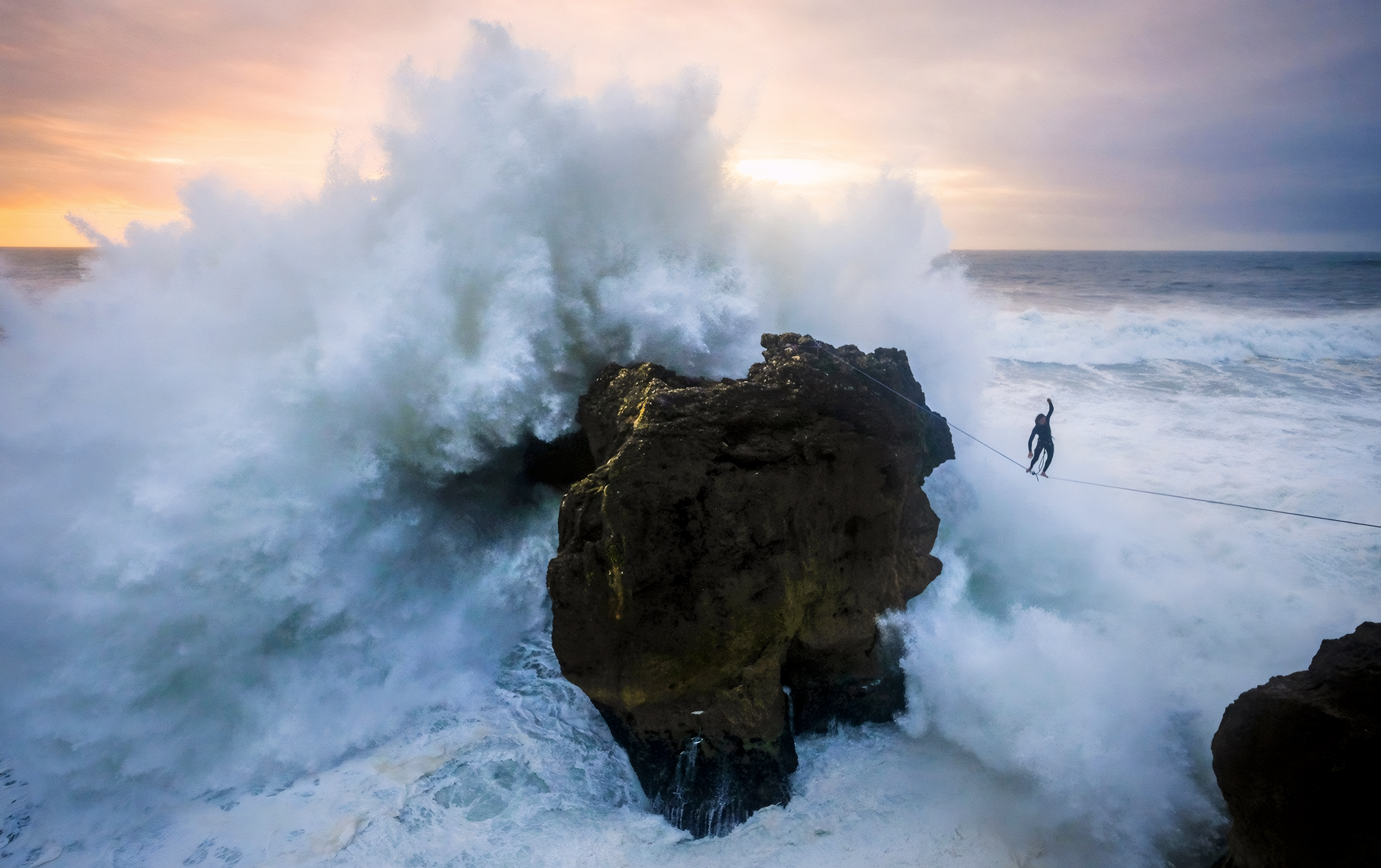 Photo: Aidan Williams
— You’ve also had experience with highlining — walking on a rope above a sea crevice. How did you decide to try it?
— The idea came to me in Nazaré. At some point, I just thought: why not be the person who does this? I went to “Decathlon”, bought a slackline set and set it up in a park. But it was unbearably boring. I went back to the store, grabbed a rope, harness, a couple of carabiners, and went to the cliffs. I had never done highlining before, but I grew up around ropes — for me, that was a familiar environment. That’s how my first highline came about. Completely crazy in terms of safety: everything was wrong, but I trusted the ropes.
A friend filmed it, we posted the video, and it blew up: tons of comments, highliners threw stones at me and my approach. I then set up a few more highlines on the cliffs, filmed stories, went live. And then a Portuguese team wrote to me: they offered to help properly install a line on a lighthouse, just so I wouldn’t rig anything myself anymore. That’s how the project was born.
— Do you feel fear?
— I’m afraid of heights, but with a parachute, I feel very confident. However, fear of water — especially deep water — freezes me. I’m afraid of drowning and of the unknown that lies beneath, in the depths.
When you train constantly, confidence gradually takes control over fear. Funny enough, in giant waves, I feel much calmer than, say, swimming across a deep lake, knowing that beneath me is an abyss. With proper training, fear can simply be tucked away, and you only experience it later, back on shore.
But it’s important to distinguish: there’s fear, and there’s panic. Fear is good — it mobilizes you, while panic paralyzes. Making friends with fear — that’s the real challenge.
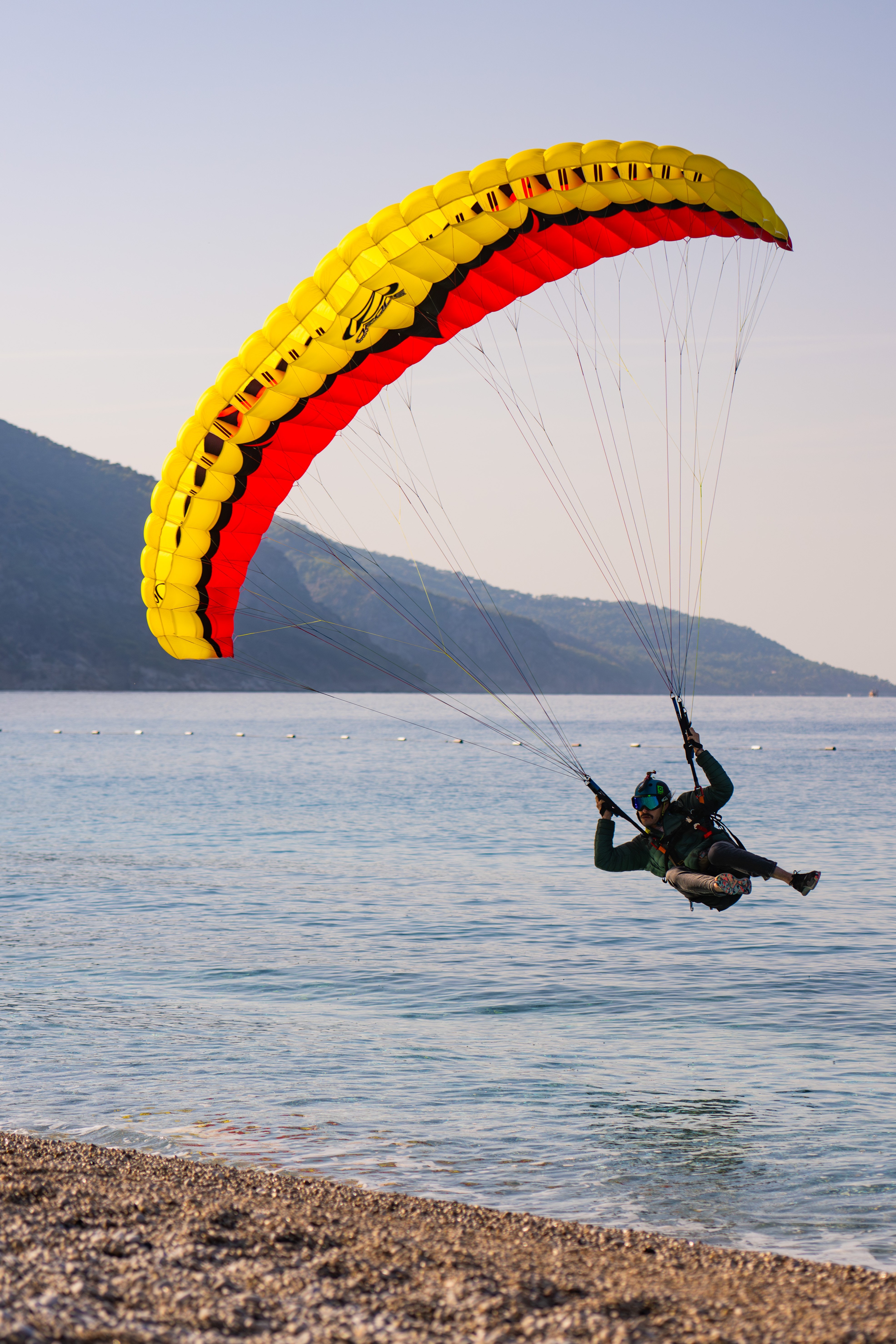
Photo: Marat Daminov
— Does your perception of life change after these extreme activities?
— Absolutely. There’s a reevaluation of values: you start really thinking about what’s important and what isn’t. Maybe it’s because you voluntarily put yourself on the edge and, for the first time, not only realize but can literally feel how fragile life is. In everyday life, we rarely think about it, but extreme sports quickly bring you back to reality — especially when something tragic happens nearby.
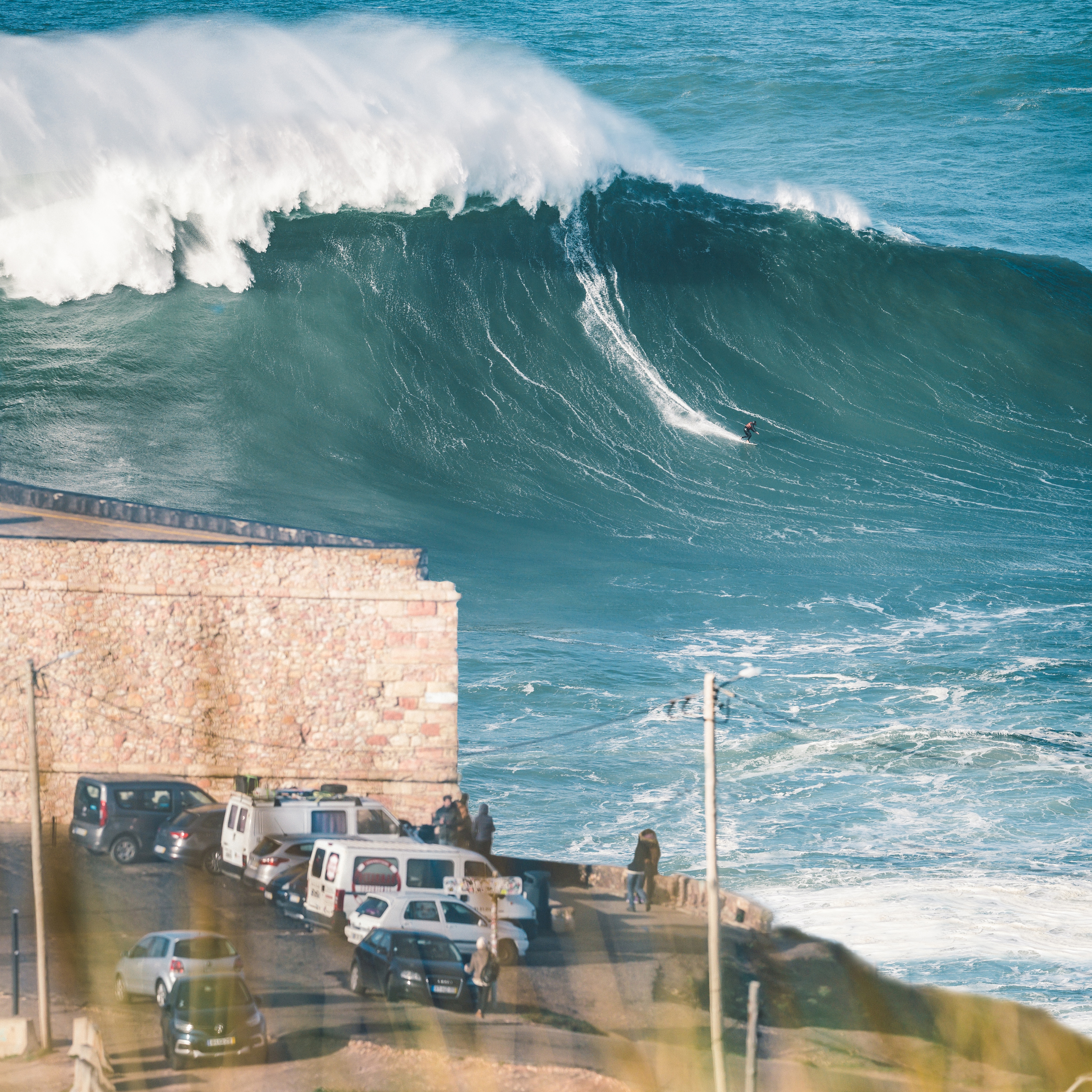 Photo: Kirill Umrikhin
— And if we compare the height of a wave to the height of a building: standing on the roof of a ten-story building and on the crest of a wave of the same height — is it the same feeling?
— Not at all. A wave is like a living mountain. You don’t immediately reach the top and fear falling down — it’s much scarier to end up in the wrong place. The wave keeps growing and can crash on you, which is far more dangerous than simply falling into water.
When it hits you, you turn into a puppet: it spins you, hits you, drags you down. The sensation is like being in the dark without air, and you never know how long you’ll be underwater. In these moments, you can’t fight it — you can only relax and convince yourself that you’ll make it. No matter how scary it is and how much you want to breathe, sooner or later it will throw you back to the surface.
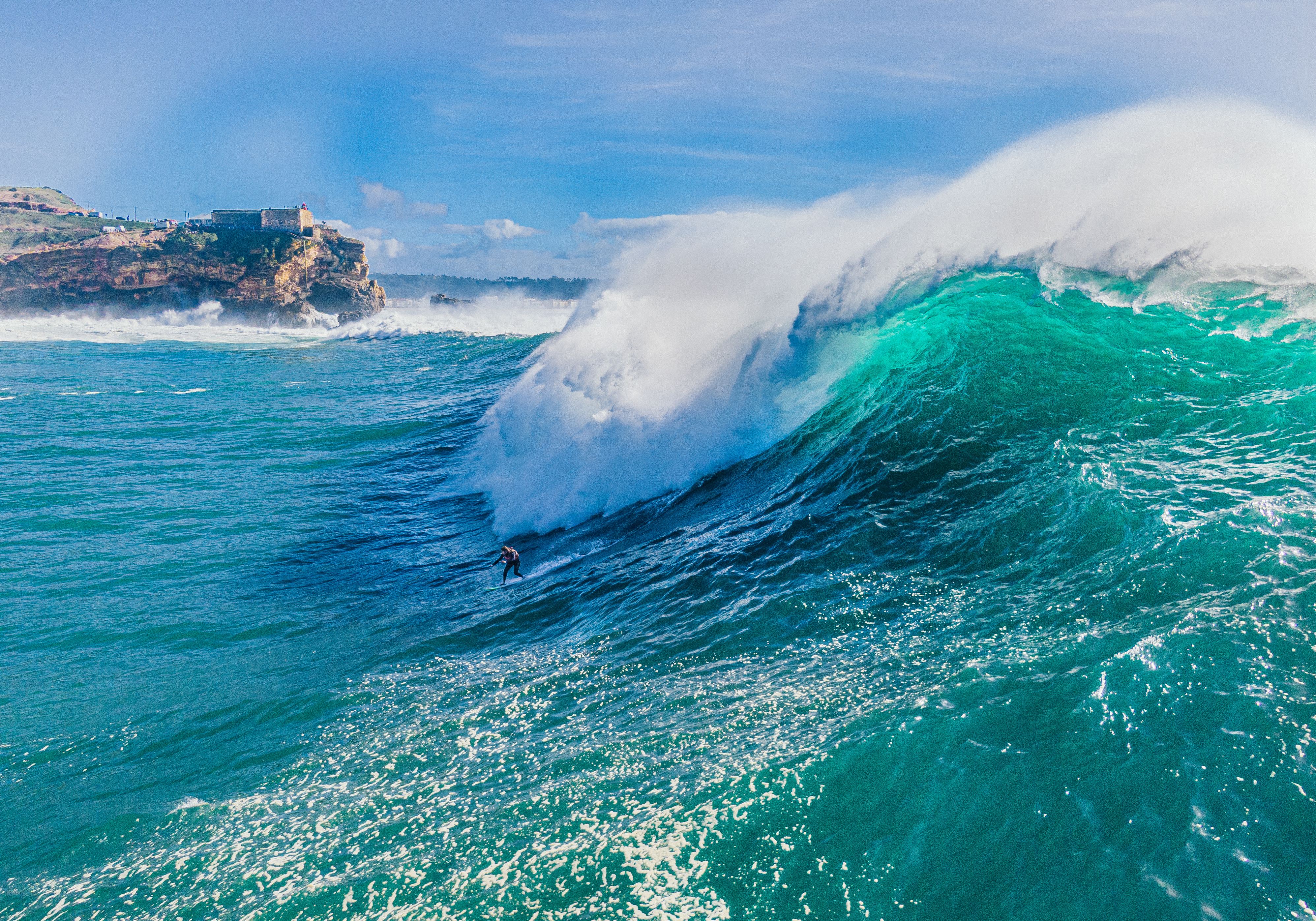
Photo: Kirill Umrikhin
— Are there training exercises that help prepare for falling off a big wave?
— In this kind of training, it’s important to break skills down into separate components: if you practice breath-holding, you develop tolerance to carbon dioxide. You also need to be comfortable with the board. Separately, experience in operating a jet ski is crucial, so you can save your life or a teammate’s if necessary. Some athletes go even further — they create conditions for themselves that closely simulate what happens after falling off a wave.
CO₂ tolerance is key. Imagine: you’re working your arms and legs hard, expending tons of energy, your body’s carbon dioxide levels rise, and then suddenly you need to hold your breath for two, maybe even three minutes. Sometimes this happens on an exhale, which makes it much harder.
Another type of preparation is cardio and overall physical conditioning. Endurance, strength, concentration. We practice all of this separately and then put it together like a puzzle.
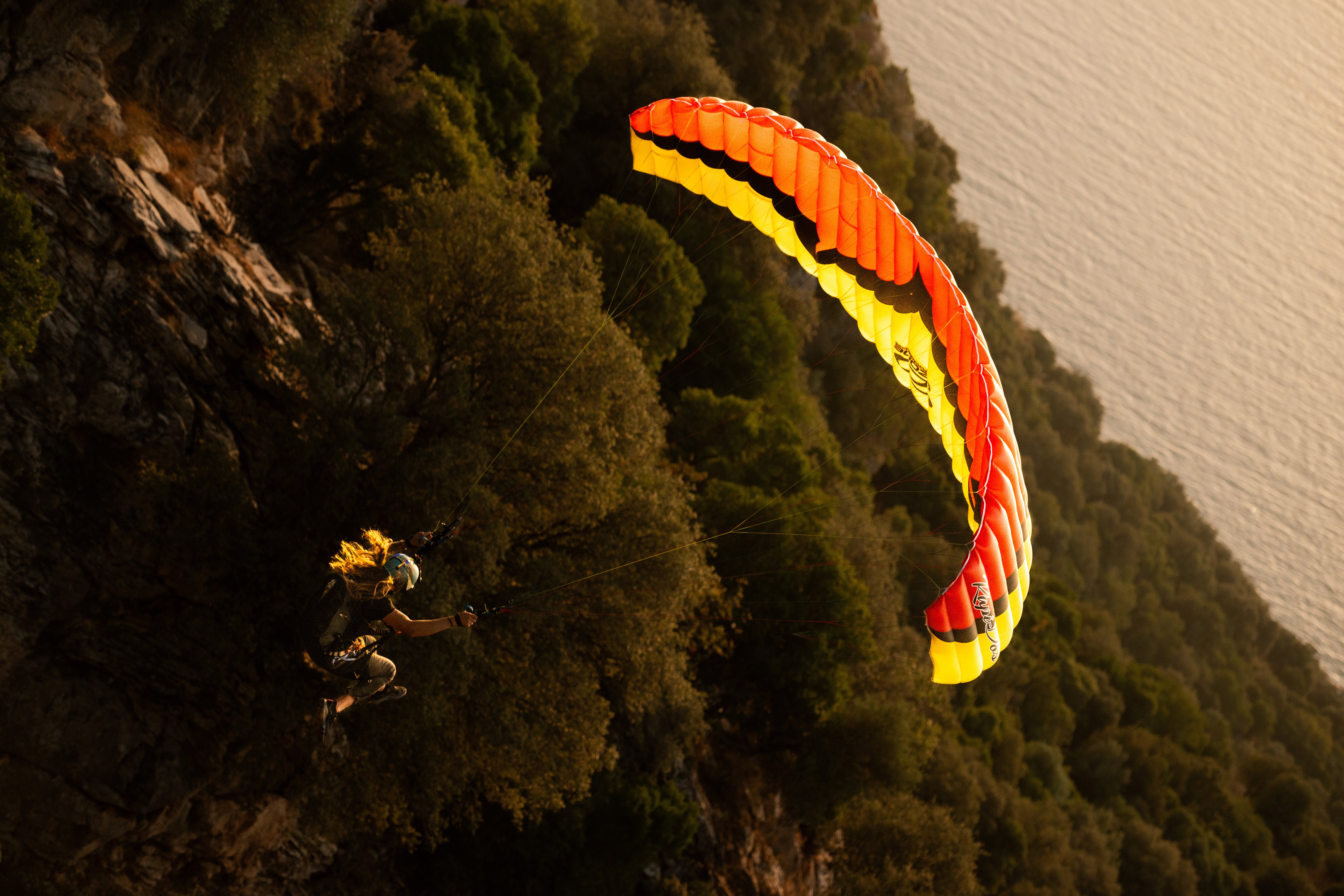 Photo: Marat Daminov
— What has been your most difficult experience in surfing?
— The hardest part of surfing for me is the inability to do it consistently. Resources have always been scarce: we had a sponsor for one season, but before and after that, I had to pay for everything myself — and that’s tens of thousands of euros. So, for several years, I lived from one credit limit to another.
It’s tough knowing that you’re capable of catching the next record wave — physically and mentally — but you can’t continue, not because of fear, but because of money. Especially when you see people around you who have the means, the support, and the infrastructure. In other countries, it’s an entire industry; here, it’s a matter of personal resources and luck.
Ed. note: Surfing is one of the most expensive sports. A full set of equipment can cost upwards of ten thousand euros — including the board, safety vests, wetsuits, and rescue gear. Add a jet ski with all the necessary equipment — another twenty thousand. Without a partner on the jet ski, a big-wave surfer simply cannot get onto the wave: that person tows you out, meets you below, and rescues you if something goes wrong. Fuel and infrastructure add tens of thousands more.
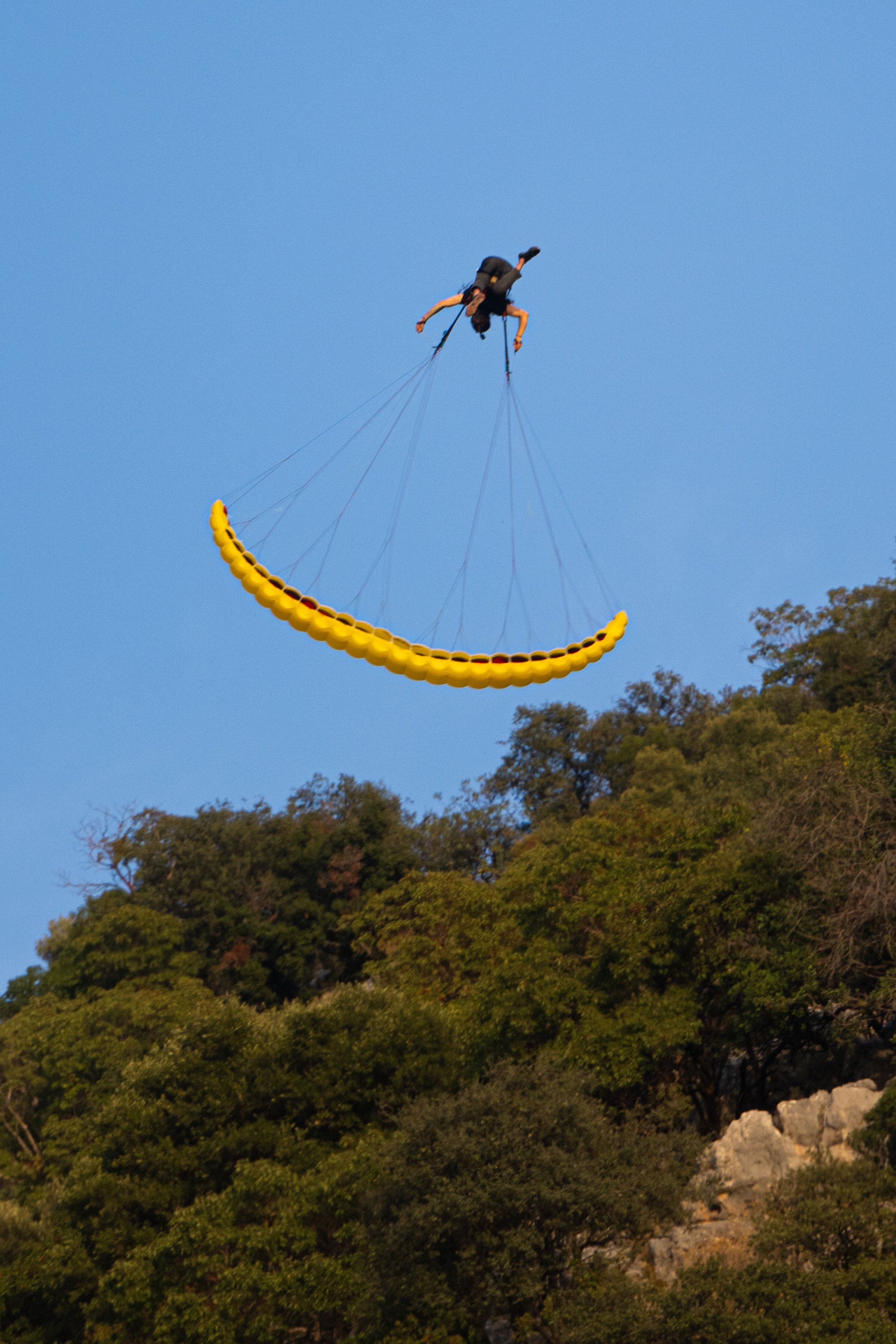
Photo: Marat Daminov
— After all those trials — the fear, the moments on the edge between life and the elements — you were noticed and invited to take part in a film that later appeared on Netflix. How did that happen, and what did the experience mean to you?
— Actually, Netflix only acquired the film. Originally, it was a French project called Nuit de la Glisse, directed by Thierry Donard. He was amazed that, after 30 years of filming, he finally found a big-wave surfer from Russia. He came to shoot the most powerful storm of the year, and during the work, someone told him there was a Russian guy out there.
When someone decides to make a whole film about what you do, it’s an opportunity to share a huge part of your life — first and foremost, with your loved ones. I didn’t see any special mission in it.
I attended the premieres in Paris, Geneva, and Zurich — I don’t know what the audience felt, but I hope the film impressed them. Or at least inspired them in some way.
— As a surfer and traveler, where do you feel most comfortable? Where would you like to return?
— When it comes to big-wave surfing, it’s definitely Portugal. Nazaré is the true Everest of the surfing world. There are no other waves like it anywhere on the planet. Their formation is directly linked to the unique underwater landscape: beneath the coast lies the Great Atlantic Canyon — the deepest canyon in the world. When the storms begin, the waves there grow several times larger than anywhere else. Overall, Nazaré is a place of power for me, but it’s not somewhere I want to return to just for the sake of it — I want to go there with a purpose: to become better than I was yesterday.
When it comes to travel in general, I rarely want to return somewhere — I’d rather explore new places: to conquer waves I haven’t yet seen, climb mountains I haven’t yet visited. I’ve been to about forty countries, but three points on the map are especially meaningful to me — Portugal, Indonesia, and Norway. Each of them is connected to a part of my life and a unique experience: in Portugal — big-wave surfing; in Norway — BASE jumping; in Indonesia — surfing too, but softer, with waves three to five meters high at most.
Portugal is cold and harsh. Indonesia, on the other hand, is warm and gentle. The waves there are almost perfect — smooth surface, clear water, and long “tubes” that a surfer can ride inside.
Life in Indonesia is also simpler and calmer. There are countless places there unlike anywhere else on the planet. It’s the perfect space for travel, self-discovery, and inner exploration.
Of course, I managed to visit less than I’d like to — I spent most of my time in the water, among the waves.
— What lessons have you learned from so many journeys?
— Traveling makes you rethink everything you’ve experienced before. There are countless peoples, places, cultures, and traditions in the world — often completely different from what you grew up with. It’s important to feel that difference firsthand: only then you can see life more broadly, accept other points of view, and, ultimately, other people.
To truly understand how the world works, you need to live through as many diverse experiences as possible. When you face all this “different,” you start to see your own life in a new way. I think that’s what truly makes us better.
— Do you travel in search of peace?
— Not exactly. Nature and sports are always the initial impulse — they’re what make me pack up and go. I’ve never had the desire to “go on a retreat”; I find peace in movement.
— Do you notice the effects of climate change while in the ocean?
— Yes, the climate is definitely changing. But how drastically, and whether this process can be reversed, is still hard to tell.
For surfers, strangely enough, there’s even a positive side to it: there are more storms in the Atlantic now, which means more record-breaking waves. The seasons are changing too — sometimes storms arrive when it should be calm.
But these are indirect signs. The more obvious ones are in the mountains: glaciers in the Alps are disappearing, ones I personally remember from my childhood. When you see things like that, you realize that something is wrong with the planet.
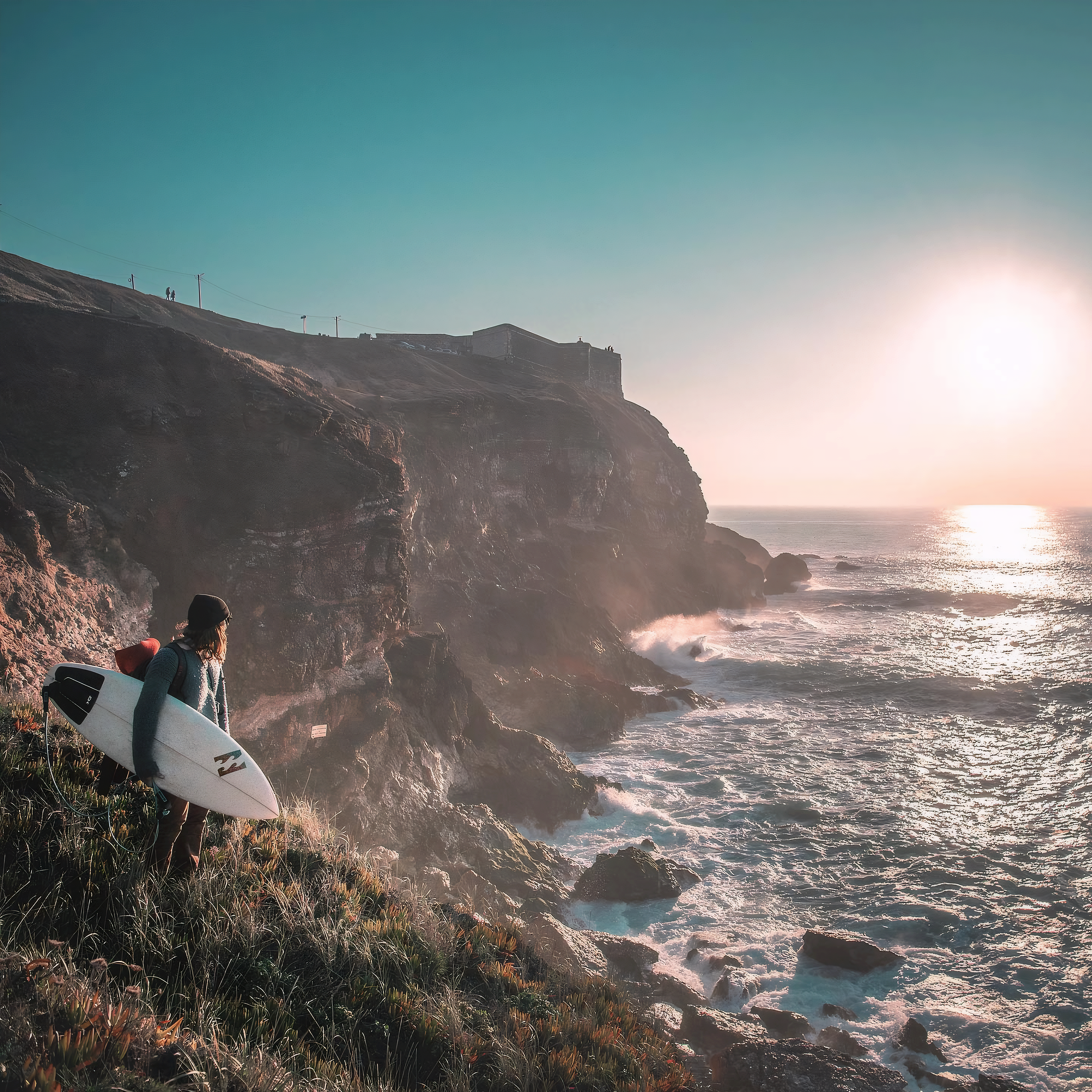 Photo: Marat Daminov
— Can big wave surfing draw attention to this issue?
— Extreme sports are inherently quite self-centered, and talking about ecology in this context often feels forced. Of course, you can use your personal content and write something like “think about the planet,” but realistically, it’s unlikely to truly move anyone.
Twenty years ago, such messages still resonated through major film projects, but today, in the era of endless content and fleeting attention, they simply get lost in the noise.
— What does your life look like now? What inspires you when there’s no ocean or waves?
— Right now, I just work in an office. I’m trying to get a mortgage, I go to therapy, and I dream of having a family. It may sound ordinary, but at this point, those things feel far more important than all the mountains, oceans, and dizzying adventures. Though, of course, I can’t imagine my future without them either.
— How would you like to be remembered?
— I wouldn’t want to be remembered only for surfing or extreme sports. There was a time when I really defined myself through those things — surfing, BASE jumping, filming, traveling… But over time, I realized that all of this is just a form of experience. Now I feel closer to the word “human.” I have the same problems as everyone else, the same desires as most people. Yes, I manage to do some unusual things, but I don’t see them as defining. What truly matters is your beliefs — and how you treat people and the world around you.
Become a guide to the world of travel


